loader
We're Here to Help Sales & Support: (866) 620-2831

Shopping Cart ( 0 )

Your Have 0 Item In Your Cart

close

No products in the cart.

Blog

4May 2026

Why Backing Up Your Ultrasound System is Non-Negotiable

After working in the Ultrasound service field for almost 2 decades one thing has become abundantly clear…customers don’t adequately back up their systems. Backing up configuration information on ultrasound systems is the foundation of equipment maintenance. The data saved during a system backup includes: customer presets, network configurations for the system and destinations, customer preferences, and options keys.  The adage, “an ounce of prevention is worth a pound of cure,” could not be more appropriately applied than with this topic.

A backup doesn’t merely consist of copying system data to a CD or USB device, you need to make sure to capture vital product data that is not contained on a normal system backup.  There are three items that need to be manually captured in addition to your copied data.  The three items are listed below:

  • Software level and part numbers
  • Options Key or License Options file
  • TCP/IP address of Host/System

If you are responsible for maintaining the ultrasound systems in your facility…Set yourself up for success by completing these easy steps.  This will allow you to be a Champ not a chump!

If you have any questions regarding the backup procedures for your ultrasound systems please contact AUS tech support and we can assist.

As always call our 24/7 Tech Support for more assistance at 866-620-2831.

4May 2026

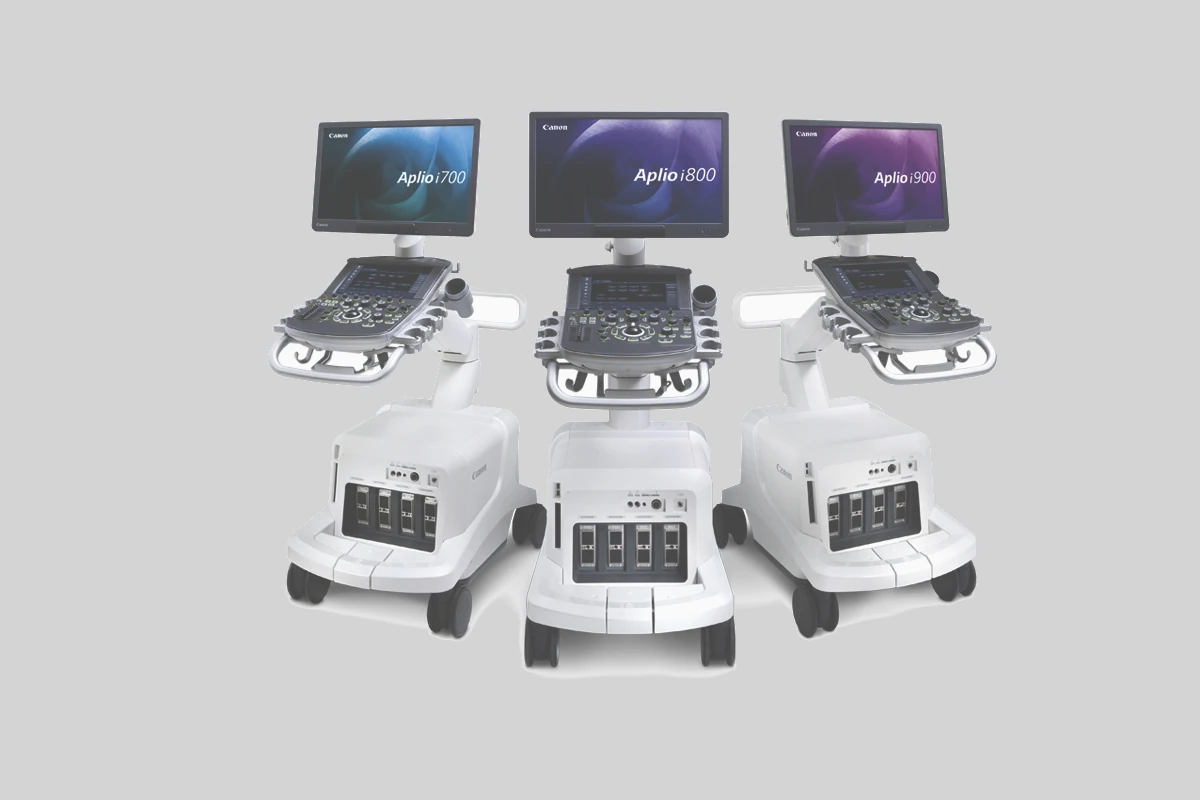
Exploring the Clinical Power of the Aplio i Series

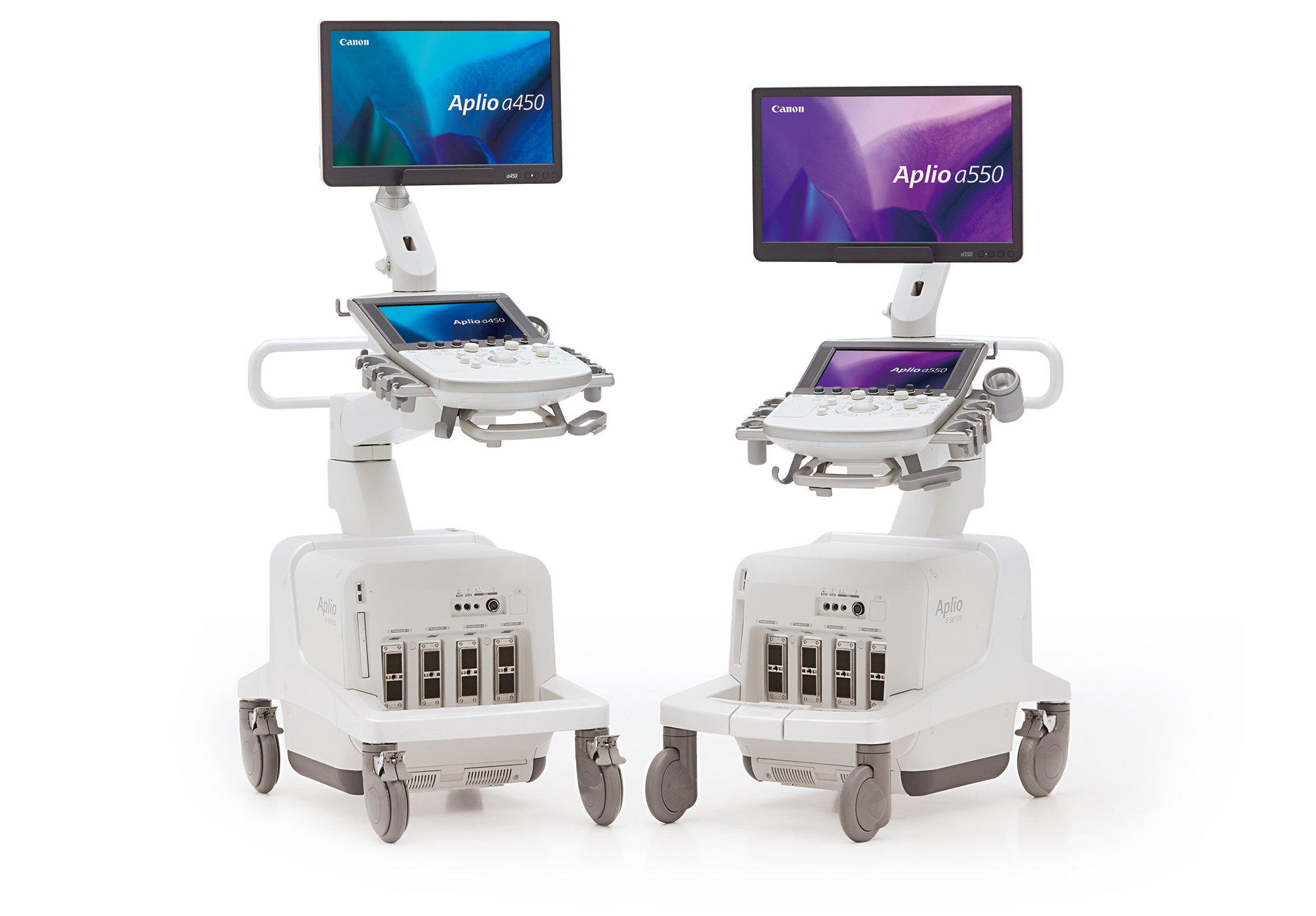
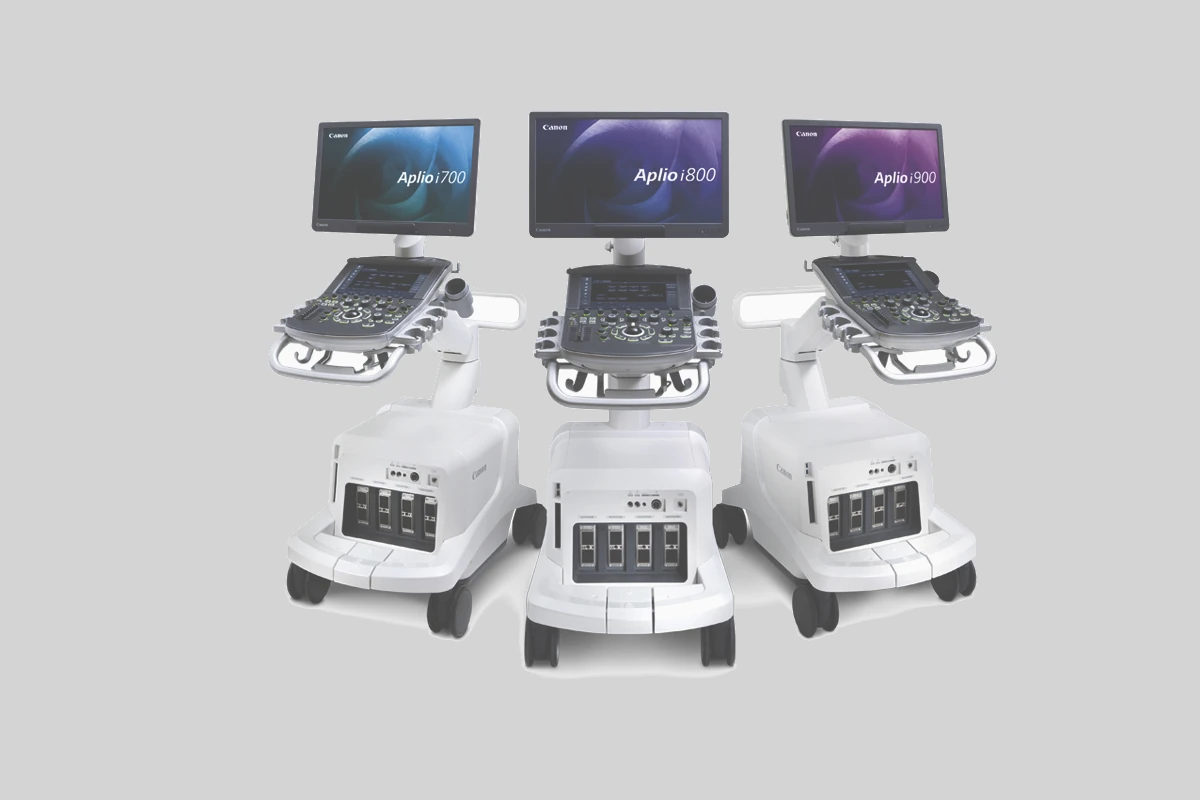
With advanced technologies, seamless workflow, and adaptive ergonomics, the Aplio A-series is designed to be competitively priced while still providing multi-purpose, advanced imaging. The Aplio a550 combines industry-leading imaging technologies, advanced applications, and intuitive controls. Feature-rich, the Aplio a450 can be scaled to complement a wide range of diagnostic portfolios.  

To guarantee outstanding productivity, both systems offer premium image quality with intuitive operation derived from Canon Medical’s top-of-the-line equipment while covering a wide range of clinical areas, from cardiology to women’s health for routine day-to-day excellence.  

The a-series product line includes features such as high-end image quality that seamlessly integrates into the workflow for a variety of everyday imaging needs, such as high-resolution 2-D imaging and volumetric ultrasound. Additionally, the series offers support for sonographers’ health and intuitive controls to allow for easy operation and ergonomics, reducing operator stress with help from Canon Medical’s Healthy Sonographer Program—a CME-accredited training and web support offering.  

With iSense technology, a wide range of qualitative and quantitative tools enable easy operation and objective, reproducible results. The Aplio a550 also provides advanced applications such as iSMI and Differential Tissue Harmonics to allow clinicians to meet a variety of clinical needs. This smaller, lighter, and easier to maneuver series offers panel height adjustment, lateral slide, and a fully articulating monitor arm to optimally adjust the console to nearly any scanning position.  

The Aplio a-series can be equipped with a variety of highly versatile transducers that cover a range of clinical areas while providing exceptional image quality. Compatible with existing Aplio (T-series) transducers, current Aplio users can easily switch to the new generation platform.  

The combination of industry-leading imaging technologies with intuitive controls makes the Aplio a-series ideal for busy clinicians who provide routine imaging for patients. A multitude of onboard clinical applications enhances daily routines as well as complex studies requiring advanced penetration and detail. An invaluable addition to clinics, hospitals, and other healthcare facilities worldwide, the Aplio a-series is your essential ultrasound partner for accurate diagnostics to improve patient outcomes. 

Aplio a550 

Integrating industry-leading imaging technologies, advanced applications, and intuitive controls for busy clinicians, the Aplio a550 is designed to enhance productivity while maximizing clinical confidence. An ideal system for routine imaging departments, its extensive selection of advanced applications delivers confidence that your system will meet a wide range of clinical needs.  

Aplio a450 

A feature-rich solution that can be scaled to fit even the widest diagnostic portfolios, the Aplio a450 provides premium image quality and intuitive operation passed on from Canon Medical’s premium equipment. Advanced imaging technologies further add to clinical confidence for even the most demanding cases.  

Why Partner with Advanced Ultrasound Systems? 

If you would like to learn more about the Aplio a-series, let the professional and knowledgeable team at AUS help you find the best fit and facilitate your organization’s transition to state-of-the-art ultrasound equipment. Advanced Ultrasound Systems is your source for ALL things ultrasound, including both the Aplio a550 and Aplio a450 systems. With complimentary technical support before and after every sale, our sales team is ready to keep you happy and up and running with minimal downtime.

4May 2026

Beyond Image Quality: The Hidden Importance of Ultrasound Electrical Safety Testing

Electrical safety checks for ultrasound machines play a crucial role in maintaining the integrity of ultrasound equipment. HTM professionals like biomedical equipment technicians and clinical engineers are responsible for conducting these checks to ensure that the electrical components of ultrasound machines meet industry standards and pose no risk to users.

The primary objective of ultrasound electrical safety checks is to identify any potential hazards such as faulty wiring, improper grounding, or insulation breakdown. By performing regular inspections and tests, HTM’s can detect issues early on and prevent accidents or malfunctions that could compromise patient safety.

Reliability is another critical aspect when it comes to ultrasound machines. Healthcare facilities rely heavily on these devices for accurate diagnoses, making it imperative that they function properly at all times. HTM’s play a significant role in maintaining the reliability of ultrasound equipment by conducting routine maintenance tasks such as cleaning, calibrating,and troubleshooting

By adhering to strict safety protocols and implementing comprehensive electrical safety checks, HTM’s contribute significantly to ensuring the safe and reliable operation of ultrasound machines. Their expertise not only minimizes potential risks but also enhances patient care by facilitating accurate diagnoses through dependable imaging technology.

Advanced Ultrasound Systems has qualified Field Service Engineers to maintain and service your ultrasound machines. Our System Service Training has been successfully teaching HTM professionals the in’s and out’s of service and maintenance for several years.

4May 2026

Help reduce probe spend in your department or facility

Education is Key

I’ve been asked to help organizations educate their staff on probe care and handling to reduce the overall cost for repair and replacement.  Because the mishandling of probes is the #1 cause of damage and need for repair, you can play a significant role in reducing the risk and therefore the cost of probe repair and replacement by offering some knowledge.

PROPER PROBE CARE AND HANDLING

Sonographers are handling the probes on a daily basis.  Each  cable is vulnerable. Each connector pin is vulnerable.  Every sterilization process creates an opportunity for damage if improper procedure is used or if a damaged probe is immersed in a solution. Because of their daily use and vulnerability, there is a high risk of damage. Typically physical damage to probes is NOT covered by warranty and can cost the facility  several thousands of dollars.

Most common avoidable damage includes:

  • General imaging probes:  broken cable casings
  • Transesophageal probes:  over-soaking, bites though the probe tube

HOW DO YOU REDUCE THE RISK OF DAMAGED PROBES?:

  1. Get to know the sonographers in the department or in your facility.
  2. Find out how they are handling, storing, transporting, and sterilizing the probes.
  3. Make recommendations to improve their care and handling
    1. rolling excess chord, protecting it against casters when transporting
    2. using sterilizing methods consistent with the OEM recommendations
  4. Transesophageal: are they using bite guards with their patients
  5. Conduct periodic visual inspection of probes – during scheduled PM’s and all service calls

By performing the above mentioned actions, you can significantly reduce the risk of damage to your probes.

4May 2026

On the Fence About Buying Ultrasound This Year? Why Section 179 Makes Now the Right Time

If you are looking into buying an ultrasound for your business, this might be the right time to do it. The Section 179 tax deduction of the IRS tax code provides benefits for both small and large businesses when purchasing qualified medical equipment such as an ultrasound system. When filling your next tax return, it is strongly encouraged to take advantage of this section, so start saving your receipts!

Section 179 “allows businesses to deduct the full purchase price of qualifying equipment and/or software purchased or financed during the tax year. That means that if you buy (or lease) a piece of qualifying equipment, you can deduct the full purchase price from your gross income.” This means that by purchasing an ultrasound system from Advanced Ultrasound Systems, you can deduct the total price out of your gross business income.

Who Qualifies for the Section 179 Tax Reduction?

All businesses that purchase, finance, or lease used or new equipment totaling less than $3,630,000 qualify for the Section 179 tax reduction. Within the current tax year, a business can write off up to $1,040,000. The deduction begins on a dollar-by-dollar basis after $2,590,000.

What Are the Requirements to Claim Section 179 Tax Deduction?

Any equipment or software claimed as a tax reduction under Section 179 must be used for business purposes more than 50 percent of the time. This government incentive encourages businesses to invest in themselves with modern technologies. By doing so, the economy, patient care, and care coordination are improved in the country. Thus, encouraging more individuals to become healthcare consumers.

How Do You Ensure You Get the Section 179 Tax Deduction?

The Section 179 tax deduction is not automatically applied to a tax return. To elect to take a deduction, you must complete part 1, form 4562 from the IRS, and attach it to your tax return. With the purchase of a new ultrasound system, a business can decide if they want to claim a full deduction for the equipment or not. The deduction is taken on an item-by-item basis, so a form needs to be filled for each new or used equipment purchased, financed, or leased.

By purchasing Advanced Ultrasound Systems equipment, you could qualify to claim a total tax reduction. As a multi-vendor provider, we carry the most popular systems, including Philips, GE, and Siemens, as well as discontinued parts that may not be available anywhere else. Our company offers great deals on ultrasound systems and parts that you may need for your medical practice.

Why Choose Advanced Ultrasound Systems?

Advanced Ultrasound Systems specializes in the sales of new and refurbished ultrasound systems, parts, transducers, and repairs. Our vast inventory combined with our technical expertise ensures we can get your system up and running with minimal downtime.

Our experienced staff will help you decide on the finest equipment that meets all your needs and determine if you meet the requirements under the Section 179 deduction guidelines. So contact us or give us a call to learn more!

30April 2026

Canon Ultrasound Machines: What You Should Know

Summary

Canon ultrasound machines, previously known under the Toshiba Medical Systems name, are well known for strong image quality and dependable performance across a wide range of specialties. Their lineup includes premium systems like the Aplio i-series, mid-range platforms such as the Aplio a-series, and portable options like the Xario range. These machines are used in radiology, cardiology, OB/GYN, vascular imaging, and general ultrasound, so it helps to understand what they do well and where they fit best.

Introduction

Canon Medical Systems has a long history in diagnostic imaging, and its ultrasound platforms have built a reputation for clear imaging, consistent performance, and user-friendly design. Across the lineup, Canon focuses heavily on image quality and workflow efficiency, which is part of why the brand remains a strong option for hospitals, imaging centers, and specialist practices.

Many of Canon’s newer systems also include advanced features such as improved beamforming, microvascular imaging, and AI-assisted tools that help automate certain measurements and improve workflow. The result is a product line that can support everything from routine general imaging to more advanced cardiac, vascular, and women’s health applications.

This guide gives an overview of Canon’s main ultrasound product lines, highlights the key technologies behind them, and explains where these systems tend to perform best.

What Are Canon Ultrasound Machines?

Canon ultrasound machines are general diagnostic imaging systems designed to support a wide range of clinical uses, combining multiple ultrasound machine parts into a cohesive imaging platform.  Like other ultrasound platforms, they create real-time images by sending sound waves into the body and interpreting the echoes that return.

What makes Canon stand out is the way it combines image clarity, Doppler performance, and practical workflow tools across different product tiers. The company offers everything from premium console systems for advanced imaging departments to portable units that are easier to move between rooms or use in more flexible settings.

Because of that range, Canon systems can be found in radiology, cardiology, OB/GYN, vascular labs, general imaging departments, and in some cases mobile or bedside environments as well.

Key Features of Canon Ultrasound Systems

Advanced Imaging Technology

Canon places a strong emphasis on image quality, and much of that comes from its imaging architecture and beamforming technology.

In the Aplio i-series, features such as iBeam+ and Intelligent Dynamic Micro-Slice technology are designed to sharpen the ultrasound beam and keep the image clear from near field to deeper structures. Canon also uses wideband transducers that support strong sensitivity and resolution across different depths.

On some systems, tools like Ultra Wide View help expand the field of view, while AI-assisted functions can help users detect structures and complete certain measurements more quickly. In the Aplio a-series, technologies such as Precision+ and ApliPure+ are intended to reduce noise, improve contrast, and make lesion borders easier to see.

Strong Doppler and Microvascular Imaging

Canon is also known for Doppler performance, especially when it comes to small vessels and slow blood flow.

Its Superb Micro-vascular Imaging, or SMI, is one of the better-known examples. This technology is designed to show very small vessels and low-velocity flow that may be harder to see with standard Doppler alone. On some systems, Canon also offers improved versions such as iSMI for larger areas of interest without sacrificing frame rate.

For buyers working in vascular imaging, small parts, or other detail-heavy applications, this is one of the biggest reasons Canon often stays in the conversation.

Ergonomic, User-Friendly Design

Canon systems are generally built with workflow in mind. The consoles are designed to be comfortable to use, the interfaces are relatively intuitive, and many systems include programmable controls and touch-based functions that can help speed up exams.

The Aplio i-series focuses on more advanced workflow customization and context-sensitive controls, while the Aplio a-series and Xario systems aim to keep things efficient and straightforward for busy imaging environments. Portable options such as the Xario 100G are built for quick startup and mobile use, which adds flexibility for smaller clinics or bedside scanning.

Broad Probe Selection

Canon supports a wide range of transducers across its product line, including linear, convex, phased array, and more specialized options.

One of the more notable examples is the high-frequency linear transducer available for premium Aplio systems, which is aimed at very detailed superficial imaging. More broadly, Canon’s probe portfolio supports general abdominal work, vascular imaging, cardiology, OB/GYN, musculoskeletal exams, and other common applications.

That flexibility is one reason Canon systems can fit so many different practice types.

Reliability and Long-Term Use

Canon machines are generally seen as durable systems built for long-term clinical use, which aligns with expectations around how long ultrasound machines last in high-volume clinical environments. Premium platforms such as the Aplio i800 are designed for high-volume environments, while mid-range systems focus on offering a balance of performance, durability, and lower overall cost.

For many buyers, that reputation for reliability is an important part of the value, especially in settings where uptime matters.

Canon Ultrasound Product Lines Explained

Aplio i-Series

The Aplio i-series is Canon’s premium ultrasound lineup. These systems are designed for facilities that need top-tier imaging performance, advanced Doppler, AI-assisted workflow tools, and a wider range of high-end transducers.

The i-series is a strong fit for larger hospitals, specialty departments, and practices that need high-resolution imaging across demanding applications such as radiology, vascular work, women’s health, and advanced cardiac imaging.

Aplio a-Series

The Aplio a-series sits below the premium line but still offers many of Canon’s core imaging strengths. It is designed as a more scalable and flexible option for facilities that want strong image quality and workflow support without stepping all the way up to the flagship tier.

This series tends to work well for busy imaging departments, outpatient clinics, and practices that want good performance with room to expand features over time.

Xario Series

The Xario line is aimed at the mid-range segment and combines solid imaging performance with a more compact and ergonomic design.

Xario systems are often a practical choice for general radiology, women’s health, smaller imaging departments, and clinics that need strong everyday performance without the size or cost of a premium console. Features like QuickScan and customizable controls help make the workflow more efficient.

Viamo and Portable Systems

Canon’s portable systems, such as the Xario 100G, are built for mobility without giving up too much in terms of image quality, fitting into the broader category of portable ultrasound machines types used across modern clinical workflows. 

These units are useful in settings where space is limited or where the machine may need to move between rooms or departments, and many buyers also explore used portable ultrasound machines as a more cost-effective option. They are often a good fit for bedside scanning, smaller clinics, and practices that need portability but still want a system that feels more capable than a basic handheld device.

Common Clinical Applications

Canon ultrasound systems are used across a wide range of specialties.

General imaging and radiology

They are commonly used for abdominal imaging, thyroid studies, breast exams, and soft tissue evaluation, where image clarity and tissue contrast are especially important.

Cardiology

Canon systems support echocardiography through tools such as advanced Doppler, wall motion analysis, and strain imaging, depending on the model and configuration.

Obstetrics and gynecology

In women’s health, Canon offers features that support fetal measurements, standard plane detection, and detailed pelvic imaging.

Vascular imaging

This is one of the areas where Canon often stands out, thanks to SMI and other flow imaging technologies that help visualize small vessels and low-velocity blood flow.

Musculoskeletal imaging

High-frequency transducers help with detailed imaging of tendons, superficial nerves, and small joints.

Advantages of Canon Ultrasound Machines

Canon systems offer several clear strengths:

Strong image quality

Canon has a long-standing reputation for producing clear, high-resolution images across multiple depths and exam types.

Advanced flow imaging

Technologies like SMI help visualize microvascular flow in a way that many users find especially useful in vascular and small parts imaging.

Good workflow support

AI-assisted tools, automated functions, and thoughtful console design can help improve productivity and reduce exam time.

Wide clinical versatility

The range of product tiers and probe options makes Canon suitable for many different specialties and practice sizes.

Reliability

Canon systems are generally considered durable and dependable, especially in higher-volume clinical environments.

Limitations to Consider

Like any brand, Canon is not the perfect fit for every buyer.

Higher cost at the premium end

Flagship systems such as the Aplio i-series can be expensive, which may be hard to justify for lower-volume practices or facilities that do not need advanced features.

Older Toshiba-era systems may feel dated

Used Toshiba or early Canon systems can still be useful, but some older models may lack newer AI features and can become more expensive to maintain over time.

Service availability can vary

Depending on the region, service and parts access may not be as straightforward as with some larger competitors. It is worth confirming local support before buying.

Some advanced features require training

Canon’s higher-end systems include a lot of customization and advanced functionality, which can be a strength, but also means there may be more of a learning curve for some users.

Canon vs Other Ultrasound Brands

Canon vs GE

GE tends to have a broader product range and a very strong presence across multiple specialties. Canon often stands out more for image clarity and microvascular imaging performance.

Canon vs Mindray

Mindray is often seen as the more budget-friendly option. Canon generally sits at a higher price point, but buyers may prefer it for its image quality, probe selection, and stronger performance in certain specialty applications.

Canon vs Philips

Philips is often especially strong in cardiology and integrated workflow, while Canon competes well in general imaging, vascular work, and high-detail imaging.

Buying Considerations: Is Canon the Right Choice?

Before choosing a Canon system, it helps to think through a few practical questions, and following a structured approach like this veterinarian’s guide to choosing the right ultrasound machine can make that process easier. 

What is your budget, and how advanced do your imaging needs really need to be?

Do you need strong vascular or microvascular imaging, high-frequency transducers for musculoskeletal work, or AI tools for women’s health?

Are you buying for a hospital department, a general clinic, or a mobile or space-limited setting?

Would a new system make more sense, or could a refurbished model offer better value?

And just as important, what kind of local service and support is available?

Canon can be a strong choice for buyers who value image quality, reliability, and advanced flow imaging, but the right fit depends on your workload, specialty, and budget.

Conclusion

Canon ultrasound machines are widely respected for their image quality, dependable performance, and thoughtful workflow design. The premium Aplio i-series offers advanced imaging, AI-assisted tools, and high-end transducer options for demanding specialties. The Aplio a-series provides a more scalable mid-range option, while Xario and portable systems bring flexibility and strong imaging to smaller or mobile settings.

For the right practice, Canon can be a very strong investment. The key is to match the system to your clinical needs, budget, and long-term support options.

Frequently Asked Questions (FAQ)

  • Are Canon ultrasound machines good?

Yes. Canon systems are generally well regarded for strong image quality, good Doppler performance, and long-term reliability. They are especially respected in areas like general imaging and vascular work.

  • What happened to Toshiba ultrasound systems?

Canon Medical Systems acquired Toshiba Medical Systems in 2016. Since then, Canon has continued developing and rebranding the Toshiba ultrasound product lines.

  • How much do Canon ultrasound machines cost?

Pricing varies a lot by model, configuration, and whether the system is new or refurbished. Premium Aplio systems are typically much more expensive than mid-range or portable options.

  • Are Canon systems suitable for small clinics?

Yes, especially the mid-range Aplio a-series, Xario systems, and some portable models. These can offer a good balance of image quality and practicality for smaller practices.

  • Can you buy refurbished Canon ultrasound machines?

Yes. Refurbished Canon systems are available through reputable dealers. It is important to check the machine’s condition, service history, software status, and warranty coverage before buying.


30April 2026

BK Ultrasound Systems: Features & Applications

Summary

BK Medical ultrasound systems are built for a very specific purpose. Rather than serving as general diagnostic machines, they are designed for surgical and interventional settings where real-time imaging and precision matter most. Their strengths include high-resolution imaging, fast auto-optimization, and a wide range of sterilizable probes that help clinicians guide procedures more accurately. Features like Prism imaging, Auto Gain, Auto Focus, elastography, contrast imaging, and advanced Doppler modes make BK systems especially useful in the operating room and interventional suite.

Introduction

As one of the companies owned by GE HealthCare, BK Medical produces ultrasound equipment designed for intraoperative usage and procedures requiring image guidance. The uniqueness of BK Medical ultrasound units is obvious because general ultrasound producers create devices used for all types of examinations – from abdominal sonography and obstetric ultrasound to cardiological and point-of-care scans.


The difference between BK systems and other ultrasonic units lies in their design that makes them ideal for surgery. Being compact enough to operate in small ORs, easily functioning in a sterile environment, and equipped with probes tailored for intraoperative application, BK units can become very helpful in many disciplines such as urology and colorectal surgery.


The following section will shed light on how to distinguish BK units from other ultrasound equipment, their unique characteristics, and areas where they can become especially useful.


What Are BK Ultrasound Systems?

BK ultrasound systems are premium imaging platforms built primarily for use during surgery and interventional procedures, combining multiple ultrasound machine parts into a compact system designed for real-time guidance.  You are more likely to find them in an operating room, procedure suite, or specialist clinic than in a general radiology department.

What sets them apart is not just image quality, but how they fit into the workflow. They are designed to support sterile use, rapid setup, and real-time guidance during procedures. Multiple probes can often be connected at once, the control surfaces are made for easy cleaning, and the systems are compact enough to sit close to the surgical field without getting in the way.

Many BK systems also offer fast boot-up and battery operation, which makes them practical in busy OR settings where equipment needs to be ready quickly and move easily around the room.

Key Features of BK Ultrasound Systems

Real-Time Intraoperative Imaging

One of the biggest reasons clinicians choose BK is for real-time imaging during procedures.

In surgical and interventional work, delayed or inconsistent imaging can make a case more difficult. BK systems are built to provide high frame rates and immediate feedback so surgeons can check anatomy, confirm positioning, and adjust what they are doing in real time. Features such as Prism imaging, Auto Gain, and Auto Focus are designed to optimize the image quickly without constant manual adjustment.

That is especially useful in procedures where anatomy may shift, visibility is limited, or precise guidance is essential.

High-Frequency and Specialized Probes

BK’s probe lineup is a major part of what makes these systems stand out, and understanding what an ultrasound probe is helps explain why transducer design is so important in procedural imaging. 

The company offers a wide range of specialized transducers for specific surgical and interventional applications, including T-shaped and I-shaped probes for open surgery, flexible-tip laparoscopic probes, biplane transducers for needle guidance, and triplane endocavity probes for prostate imaging.

These probes are built to provide detailed views in situations where a standard general-purpose transducer would not be enough, especially when compared with common options like those discussed in linear vs convex ultrasound probes.  In urology, for example, a triplane probe can help clinicians evaluate the prostate more efficiently. In minimally invasive surgery, a flexible-tip laparoscopic probe can improve contact and reach anatomy that would otherwise be harder to visualize.

Advanced Doppler and Imaging Modes

BK systems go beyond standard grayscale imaging.

Many include elastography, contrast-enhanced ultrasound, sensitive color Doppler, pulsed-wave Doppler, and in some cases vector flow imaging. These modes help clinicians assess more than just anatomy. They also make it easier to evaluate blood flow, tissue stiffness, perfusion, and lesion characteristics.

That added information can be especially valuable during procedures where treatment decisions are being made in real time.

Designed for Surgical Workflow

BK systems are clearly designed with the operating room in mind.

They usually have compact footprints, sealed control panels for easier cleaning, and features that support sterile use. Some models include a sterilizable remote control, while others have probe buttons that let the operator freeze, save, or print images without stepping away from the sterile field.

Fast boot times and battery support also make them more practical in surgical settings where delays can disrupt workflow.

Compact but High Performing

Unlike larger cart-based diagnostic systems, BK machines are built to take up less space while still delivering strong image quality.

That smaller footprint matters in the OR, where space is limited and positioning around the patient can be awkward. BK systems are designed to stay close to the field without becoming a barrier, which helps improve ergonomics and workflow during procedures.

Strong Image Quality and Precision

BK places a lot of emphasis on image detail and precision.

The systems are designed to provide strong spatial, temporal, and contrast resolution, which helps clinicians distinguish subtle tissue differences, define lesion margins, and identify nearby vessels or structures more clearly. For procedures that depend on exact targeting, that level of image quality can make a real difference.

Clinical Applications of BK Ultrasound

Urology and Prostate Imaging

BK systems are widely used in urology, especially for transrectal ultrasound, prostate biopsies, and procedure planning.

Detailed sagittal and transverse imaging of the prostate can support more accurate targeting, while advanced tools such as elastography and fusion imaging can help identify suspicious areas. BK’s triplane probes are especially well known in this space because they support efficient imaging of the prostate from multiple angles.

For practices doing a high volume of prostate work, BK is often a very strong fit.

Intraoperative and Surgical Guidance

BK systems are also commonly used during open and minimally invasive surgery.

Specialized intraoperative probes can help surgeons assess organs such as the liver, pancreas, and kidneys in real time. During laparoscopic procedures, flexible-tip probes improve access and contact. In procedures involving lesion removal or ablation, ultrasound guidance can help define margins and avoid critical anatomy.

This ability to verify anatomy during the procedure is one of BK’s biggest strengths.

Needle Guidance and Interventional Procedures

For biopsies, drains, ablations, and similar procedures, accurate needle placement is essential.

BK’s biplane probes are especially useful here because they can show two imaging planes at once, helping clinicians guide instruments more precisely. Doppler and other vascular imaging modes can also help reduce the risk of hitting important vessels during needle placement.

Gynecology and Pelvic Procedures

While BK is best known for urology and surgical imaging, some systems and probes are also used in gynecology and pelvic imaging.

Endocavitary transducers can provide high-resolution views of pelvic organs and may support procedures involving the uterus, ovaries, and surrounding structures. In settings where sterile workflow and procedural guidance are important, BK’s approach can still be highly relevant.

Colorectal and Gastrointestinal Applications

BK systems also have applications in colorectal surgery and gastrointestinal procedures.

Specialized endocavitary and 3D probes can help with detailed imaging of the rectum, anal sphincters, and pelvic floor, which may support both diagnosis and procedural planning. In colorectal surgery, that level of detail can be especially useful.

Emerging and Specialized Uses

BK technology continues to expand into more advanced and specialized areas.

Fusion imaging, vector flow imaging, and 3D datasets open the door to more navigation-assisted procedures, targeted biopsies, and advanced intraoperative guidance. These developments make BK systems increasingly relevant in centers that perform a high volume of complex or image-guided procedures.

Advantages of BK Ultrasound Systems

BK systems stand out for a few key reasons:

Excellent real-time imaging
They are designed to provide immediate feedback during procedures, which is critical in the OR and interventional suite.

Specialized probe selection
The probe portfolio is one of BK’s strongest advantages, especially for urology, surgery, and needle guidance.

Built for sterile environments
Compact design, sealed controls, and sterilizable accessories make the systems practical in surgical settings.

Advanced imaging tools
Elastography, contrast imaging, Doppler modes, and fusion tools add more clinical information during procedures.

Precision-focused performance
These systems are designed to help clinicians see anatomy, lesions, and vessels clearly when procedural accuracy is essential.

Limitations to Consider

BK systems are highly specialized, and that is both their strength and their limitation.

They are generally more expensive than general-purpose ultrasound machines, and that higher cost reflects their advanced imaging capabilities, surgical workflow design, and specialized probe range, making proper care and ultrasound maintenance tips to extend lifespan especially important. They also require users who are trained in intraoperative or interventional imaging, which means they are not always the best fit for every practice.

For clinics focused mainly on routine imaging such as abdominal scans, obstetrics, or general point-of-care use, a broader general-purpose system from another manufacturer may make more sense.

How BK Ultrasound Compares to General Ultrasound Systems

General ultrasound systems from brands like GE, Philips, and Mindray are built to handle many different types of exams. They are designed to be versatile, with a broad range of presets and applications across multiple departments.

BK systems are different. They are more focused, more procedural, and more specialized. Their main advantage is not that they do everything, but that they do certain interventional and surgical tasks extremely well.

If your practice or institution performs a large number of image-guided procedures, prostate biopsies, intraoperative scans, or minimally invasive surgeries, BK may offer capabilities that a general ultrasound platform cannot match as easily. If not, a more flexible general-purpose system may be the better investment, and following a structured approach like this veterinarian’s guide to choosing the right ultrasound machine can help clarify the best option. 

When Is a BK Ultrasound System the Right Choice?

A BK system makes the most sense when real-time procedural guidance is a regular part of the workflow.

That includes urology clinics doing prostate biopsies, hospitals performing liver or kidney surgery, colorectal specialists, and interventional teams placing needles, drains, or ablation tools with high precision. In those settings, the image quality, probe selection, and surgical workflow features can justify the investment.

On the other hand, for general imaging departments or smaller practices without a strong interventional focus, a BK platform may be more specialized than necessary.

Conclusion

BK ultrasound systems fill a very specific and important role in medical imaging. They are designed for surgery, intervention, and procedural guidance rather than routine general diagnostics. Their combination of real-time imaging, specialized probes, sterile-field compatibility, and advanced imaging modes makes them especially valuable in urology, colorectal surgery, minimally invasive procedures, and other intervention-heavy environments.

They are not the right system for every setting, and they do come with a higher level of specialization and cost. But for centers where procedural accuracy and surgical workflow are priorities, BK systems can offer capabilities that general ultrasound machines simply are not built to provide.

Frequently Asked Questions (FAQ)

  • What is BK ultrasound used for?

BK ultrasound systems are mainly used for intraoperative imaging, interventional procedures, and specialist applications such as urology, colorectal surgery, neurosurgery, and minimally invasive surgery.

  • Are BK systems suitable for general veterinary or human imaging?

Not usually as a first choice. They are designed more for procedural and surgical environments than for routine general imaging. For standard abdominal, obstetric, or general diagnostic work, a more versatile ultrasound platform is often a better fit.

  • Why are BK ultrasound systems more expensive?

The cost reflects their specialized design, including high-resolution real-time imaging, auto-optimization features, sterilizable probes, compact surgical footprints, and advanced modes such as elastography and fusion imaging.

  • Do BK systems support Doppler imaging?

Yes. BK systems support color Doppler, pulsed-wave Doppler, and in some cases more advanced flow imaging tools such as vector flow imaging.

  • What types of probes are used with BK ultrasound?

BK offers a broad range of specialized probes, including T-shaped and I-shaped intraoperative probes, flexible-tip laparoscopic probes, biplane and triplane endocavity probes, high-frequency linear probes, and sterilizable transducers for pelvic and colorectal imaging.

30April 2026

Used Ultrasound Parts: Are They Worth It?

Summary

Used ultrasound parts and re-engineered components can be a smart way to cut repair costs and keep an older machine running.  Parts like buttons, cables, and some power components are often reasonable to buy used, especially when they come from a supplier that can verify testing and compatibility. More sensitive parts, especially probes, need much closer scrutiny. In the end, whether used parts are worth it depends on what part you are buying, who you are buying it from, and how much risk your practice can realistically take on.

Introduction

Ultrasound machines are made up of many individual parts, and not all of them age at the same rate. A button may stop responding, a cable may fray, or a connector may wear out long before the rest of the system is ready to be replaced. In many cases, that leaves clinics with a choice: pay for a full OEM replacement or look at used or refurbished parts as a lower-cost alternative.

That is why used ultrasound parts continue to get attention. For some repairs, they can be a practical way to save money and avoid unnecessary downtime. For others, they can create more problems than they solve. Not every used part carries the same level of risk, and not every seller puts the same care into testing and quality control.

This guide looks at where used ultrasound parts can make sense, where they do not, and what buyers should pay attention to before making a purchase.

What Are Used Ultrasound Parts?

Used ultrasound parts are components taken from donor or decommissioned systems and then resold for repair purposes. These can include things like buttons, cables, circuit boards, power supplies, and sometimes probes.

Some of these parts are sold simply as used, meaning they have been removed and offered for resale with little more than a basic check. Others are sold as refurbished or re-engineered. That usually means they have gone through a more complete process that may include cleaning, inspection, repair, recalibration, testing, and sometimes cosmetic restoration.

That difference matters. A true refurbished part is usually a much safer bet than a part sold as-is, especially if the seller can provide documentation, warranty coverage, and evidence that the part meets the expected standard.

Why Clinics Consider Used Parts

Cost savings

The most obvious reason is price.

Replacing one failed component with a used or refurbished part is often much cheaper than buying a brand-new OEM assembly, especially when you consider overall ultrasound machine maintenance cost over time.  For older systems, that price difference can be hard to ignore. In some cases, a used part may be the only option that makes financial sense, especially if the machine is already near the later part of its life.

Faster repairs

Used parts can also be easier to get than new OEM parts, especially for discontinued or older machines.

If a clinic can source a tested replacement board or cable quickly, that may get the scanner back in service much faster than waiting on a manufacturer part or exchange. In a busy practice, downtime can cost more than the part itself.

Extending the life of older systems

For clinics trying to get more life out of an existing machine, used parts can be useful.

Replacing a single failed component instead of retiring the whole system can delay a much larger capital purchase, particularly when high-value components like transducers drive overall ultrasound probe cost.  That can be especially valuable for backup units, lower-volume machines, or systems that still perform well for routine work.

Which Ultrasound Parts Are Worth Buying Used?

Usually reasonable choices

Some parts are generally lower-risk and are often worth considering used.

Control panel buttons and basic user interface parts

These are common wear items, and their failure is usually obvious. If a reputable supplier has tested the replacement and confirmed compatibility, used parts in this category can make a lot of sense.

Cables and connectors

External cables and some connectors wear out with repeated use. Used replacements can be a practical option if the seller has checked continuity, shielding, and physical condition.

Power supplies and non-imaging boards

Certain support boards and power components may also be reasonable to buy used, as long as they have been properly tested and documented.

Parts that need more caution

Some components sit in a gray area and need closer evaluation.

Trackballs, keyboards, and other mechanical wear items

These can be fine if refurbished well, but wear can be unpredictable. If tolerances are off or the condition is poor, the part may fail again sooner than expected.

More complex boards

Boards involved in imaging, signal processing, or beamforming require more caution. Even if they physically fit, they may not behave correctly if software or firmware compatibility is off.

Parts that are often not worth the risk

Some parts carry enough risk that buying them used only makes sense when testing and documentation are very strong.

Probes

This is the biggest example. A used probe can look fine on the outside and still have internal damage, poor beam uniformity, acoustic issues, or electrical leakage, which is why understanding different types of ultrasound probes is important before buying.  A probe is not something to buy on appearance alone.

Unknown or undocumented components

If the seller cannot show serial numbers, compatibility details, service history, or testing results, the risk is usually too high.

Risks of Buying Used Ultrasound Parts

Inconsistent quality

Not all used parts are refurbished to the same standard.

One supplier may properly inspect, test, and document every part. Another may simply pull a part from a donor machine and resell it with minimal checks. That inconsistency is one of the biggest risks in the used parts market.

Limited warranty

Many used parts come with little warranty coverage, or none at all.

That means if the part fails shortly after installation, the buyer may end up paying twice, once for the used part and again for the replacement and labor.

Compatibility problems

A part can fit physically and still not work correctly.

Firmware versions, revisions, electrical characteristics, and system-specific differences can all cause problems. That is why compatibility needs to be confirmed carefully before purchase.

Repeat downtime

The cheapest part is not always the least expensive option in practice.

If a used part fails early or causes another issue, the clinic may lose time, cancel exams, and still end up buying the OEM replacement anyway. In high-volume environments, that kind of repeat downtime can erase the original savings very quickly.

How to Evaluate a Supplier

Ask about testing

A good supplier should be able to explain how the part was tested and what was checked.

For simple components, that may mean electrical and functional testing. For probes, it should go much further and include leakage testing, acoustic output checks, and beam uniformity data.

Look for warranty and return terms

Even used parts should come with some reasonable protection.

A vendor that offers a clear warranty and return policy usually has more confidence in the quality of what they are selling.

Check experience and reputation

It helps to buy from suppliers who actually specialize in ultrasound rather than general surplus or liquidation sellers.

A specialist is more likely to understand compatibility issues, provide better support, and answer technical questions clearly.

Ask for documentation

Serial numbers, service history, compatibility confirmation, and test reports all matter.

If a vendor cannot provide basic documentation, that is usually a sign to move on.

Used vs OEM vs Aftermarket Parts

OEM parts

OEM parts are the safest option in terms of compatibility and consistency, but they are usually the most expensive.

Used or refurbished parts

These sit in the middle. A properly refurbished part can offer real savings with acceptable reliability, especially for non-critical components. A part sold simply as used, with no real testing or support, carries more risk.

Aftermarket parts

Aftermarket parts are new parts made by third parties rather than the original manufacturer. Some are excellent, some are not. As with used parts, quality depends heavily on the supplier and how well the part is validated.

When Used Ultrasound Parts Make Sense

Used parts are often a practical choice when:

  • The machine is older or out of warranty
  • The part is non-critical
  • Budget is limited
  • The system is a secondary or backup unit
  • A tested replacement is available quickly from a reputable supplier

In those situations, the cost savings can be worthwhile without creating too much risk.

When They Do Not Make Sense

Used parts are usually a poor fit when:

  • The part directly affects image quality or patient safety
  • The machine is still under manufacturer warranty
  • The system is used in a high-volume or specialist setting
  • Downtime would be too costly
  • The seller cannot provide documentation, testing, or support

In those cases, saving money upfront can end up costing more later.

Tips to Reduce Risk

A few simple rules can make buying used parts much safer:

Buy from a reputable vendor
Look for suppliers with real ultrasound experience and a documented quality process.

Ask for testing reports

Especially for probes and higher-risk components.

Confirm compatibility before purchase

Provide your exact model and serial number and ask the seller to verify the match.

Avoid pricing that seems unrealistically low

Very cheap parts are often cheap for a reason.

Choose refurbished over as-is when possible

A refurbished part with testing and warranty support is usually a much better long-term decision than a used part with no history.

Conclusion

Used ultrasound parts can absolutely be worth it, but only in the right situations.

For common wear items like buttons, cables, and some support boards, they can be a practical and cost-effective way to keep a system running. For more sensitive components, especially probes and critical imaging boards, the decision needs a lot more caution. The real value of a used part depends less on the idea of “used” itself and more on the quality of the supplier, the level of testing, and the role the part plays in the machine.

If those factors line up, used and refurbished parts can be a smart way to save money without taking unnecessary risks.

Frequently Asked Questions (FAQ)

  • Are used ultrasound parts reliable?

They can be, especially for lower-risk parts like buttons, cables, and some power components. Reliability depends heavily on the supplier, the testing process, and whether the part was properly refurbished.

  • How much can I save with used parts?

Savings vary by part and vendor, but used and refurbished parts are usually much less expensive than OEM replacements. The actual value depends on the part’s condition, documentation, and warranty support.

  • Are refurbished parts better than used?

Usually, yes. Refurbished parts are generally cleaned, inspected, repaired if needed, tested, and often backed by a warranty. That makes them a safer choice than parts sold simply as used.

  • Is it safe to buy used ultrasound probes?

Sometimes, but only with strong testing and documentation. A used probe should never be bought based only on appearance. Without proper acoustic and electrical testing, the risk is much higher.

  • Do used parts affect image quality?

They should not if they are compatible, properly tested, and functioning as intended. But poor-quality or incompatible parts, especially probes and imaging boards, can absolutely affect performance.

30April 2026

Honda Ultrasound Machines: An Honest Overview

Summary

Honda ultrasound machines are best known for being practical, portable, and relatively affordable.  They are built for real-world veterinary use, especially in field and mixed-practice settings, where durability and ease of transport matter more than premium imaging features. They are not meant to compete with top-end systems from brands like GE or Canon, but for everyday reproductive, abdominal, and general scanning, they can be a very reliable option.

Introduction

Honda Electronics has been making Honda ultrasound equipment for decades, and its scanners have earned a solid reputation in veterinary medicine, particularly among mobile and field-based users. Rather than trying to compete head-to-head with premium radiology platforms, Honda has focused on a different kind of buyer: the vet who needs a dependable machine that can travel between clinics, farms, barns, and ambulatory calls without becoming a burden.

That focus shapes the entire product line. Honda machines tend to prioritize portability, simple controls, decent battery life, and rugged build quality over advanced imaging software or specialty-level features. For some buyers, that is exactly what makes them appealing.

This overview looks at where Honda ultrasound machines do well, where they fall short, and who they make the most sense for.

What Are Honda Ultrasound Machines?

Honda ultrasound systems are mainly portable ultrasound machines and mid-range scanners designed with veterinary and field use in mind. They are especially common in equine, bovine, and mixed animal practice because they are light enough to carry easily, straightforward to use, and capable of handling routine reproductive and abdominal exams without too much complexity.

In general, Honda’s design philosophy is simple. These are machines built to work reliably in everyday settings, not to impress buyers with every advanced feature on the market. Most models include a bright screen that is easier to see outdoors, battery operation for mobile work, and a control layout that does not take long to learn.

If your priority is practicality rather than cutting-edge imaging, that approach can be a real advantage.

Key Features of Honda Ultrasound Systems

Portable and Lightweight Design

Portability is one of Honda’s biggest selling points.

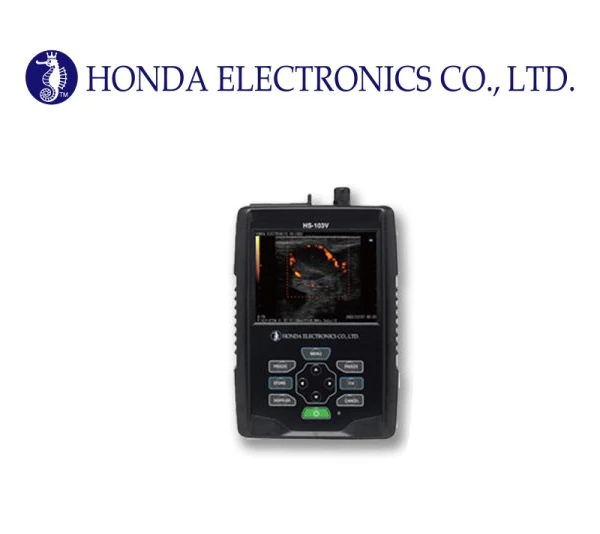
Models like the HS-1600V are built to be easy to carry between locations, while smaller systems such as the HS-103V are even lighter and often include shoulder straps or carry options that make them more manageable during field visits. Even larger Honda units are designed to stay relatively compact compared with many traditional ultrasound machines.

For vets who are moving between farms, stables, trucks, and exam rooms, that kind of design makes a noticeable difference.

User-Friendly Controls

Honda machines are generally made to be easy to use without a long learning curve.

The controls are straightforward, the layout is simple, and the measurement tools cover the basics without feeling buried in menus. On some models, operators can switch between frequencies or presets quickly without dealing with complicated setup steps. This makes Honda systems especially appealing for practices that want a machine staff can learn quickly and use confidently for routine work.

Solid Image Quality for Routine Scanning

Honda is not usually chosen for advanced specialty imaging, but image quality is still good enough for a lot of everyday veterinary work.

The company’s image enhancement settings are designed to help users emphasize either shallow structures, deeper anatomy, borders, or general clarity depending on the exam. Some models also include Color Flow Mapping and Power Doppler, which adds extra flexibility for basic vascular or cardiac assessment.

The overall image quality is best described as practical rather than exceptional. It is not top-tier, but it is often more than enough for routine reproductive, abdominal, and tendon exams.

Durable Build for Field Conditions

Because Honda machines are often used outside the clinic, durability matters a lot.

The screens are designed to stay visible in bright conditions, and some models include bonded displays that help reduce fogging or visibility issues when temperatures change. The machines are also made to travel well, with carrying cases, protective covers, and build quality suited to repeated transport.

That does not make them indestructible, but it does make them a better fit for fieldwork than many systems designed mainly for indoor clinical settings.

Budget-Friendly Value

One of Honda’s biggest strengths is value, especially when compared against typical portable ultrasound machine cost ranges across the market. 

These machines usually sit in a lower price range than premium ultrasound brands, which makes them attractive to smaller practices, ambulatory vets, and buyers who need a backup system without making a major investment. They are not the cheapest option in the market, especially compared with very basic handheld devices, but they often offer a better balance of image stability, runtime, and durability than many lower-cost alternatives.

Common Applications

Veterinary and Equine Use

Honda systems are widely used in veterinary medicine for routine reproductive work, pregnancy checks, and abdominal scanning.

In equine and livestock practice, they are often used for reproductive evaluation, fetal checks, and general field imaging. In small animal settings, they can handle basic abdominal and soft tissue work as well.

Mobile and Field Work

This is where Honda often makes the most sense.

If you are regularly scanning animals on farms, in barns, at events, or during mobile visits, Honda’s lightweight design and battery operation become real advantages. A machine that is simple to carry, quick to start, and easy to use outside can often be more valuable than a more advanced system that is awkward to transport.

Basic Clinical Imaging

In smaller clinics, Honda units can also work well as general-purpose scanners or backup systems.

They are capable enough for routine imaging without requiring the space, budget, or complexity of a high-end system. For practices that already have a premium scanner, a Honda unit can also serve as a practical second machine for overflow or mobile use.

Advantages of Honda Ultrasound Machines

Honda machines have a few clear strengths:

Affordability

They are usually much less expensive than premium ultrasound platforms.

Portability

Their lightweight design and battery-powered operation make them easy to use in the field.

Durability

They are built with outdoor and mobile use in mind, which makes them appealing for farm and ambulatory work.

Ease of use

The controls are simple, and most staff can become comfortable with them fairly quickly, particularly when paired with practical veterinary ultrasound training that focuses on real-world scanning. 

Dependability

For routine veterinary imaging, Honda machines have a reputation for being reliable workhorses.

Limitations to Consider

Honda machines are useful, but they do come with trade-offs.

Lower image quality than premium systems

They perform well for routine work, but they do not match the detail, contrast resolution, or overall imaging performance of higher-end machines from top-tier brands.

Fewer advanced features

Honda systems are not built around things like 3D or 4D imaging, elastography, advanced AI tools, or specialist-level workflow software. If those features matter to your practice, Honda may feel limited.

Smaller screens and simpler workflows

The portable design is helpful for mobility, but it also means smaller displays and fewer workflow refinements than you would get from a larger premium system.

Not ideal for advanced specialty imaging

If you need detailed cardiology, advanced abdominal imaging, or more demanding musculoskeletal studies, a Honda machine may not deliver enough performance.

Honda vs Other Ultrasound Brands

Honda vs Mindray

Honda tends to focus more on straightforward portability and affordability. Mindray has a broader range and generally offers more advanced imaging technology, but usually at a higher cost. For buyers who need more performance and features, Mindray may be the better fit. For simpler field-focused work, Honda can still make a lot of sense.

Honda vs GE or Canon

GE and Canon are stronger in premium imaging, advanced Doppler, and specialty applications. Honda is not trying to win in those categories. Its strength is offering a simpler, lower-cost option for routine veterinary work, especially in mobile settings.

Honda vs handheld ultrasound devices

Handheld portable ultrasound devices are even more portable, but they often come with lower image quality, shorter battery life, and less stable workflow.  Honda machines sit in a useful middle ground between a very basic pocket scanner and a full portable ultrasound unit.

When Is a Honda Ultrasound Machine the Right Choice?

A Honda system usually makes the most sense if your practice:

Performs routine reproductive, abdominal, or tendon scans
Needs a machine that can travel easily to farms, barns, or field calls
Values simplicity and reliability over advanced features
Wants a cost-effective main unit for basic work or a backup to a larger system

For equine, farm, and ambulatory use in particular, Honda still has a strong case because the machines are built around the realities of fieldwork rather than the expectations of a hospital imaging suite.

Buying Considerations

Before choosing a Honda machine, it helps to think through a few practical questions.

What kind of scans do you perform most often?

Will the system spend more time in the field or inside the clinic?

Do you need interchangeable probes, or will a simpler setup work?

How important is image quality compared with portability and cost?

And just as important, what kind of service and support is available in your area?

Used or refurbished Honda systems can also be worth considering, especially if budget is a concern, but it is important to check battery condition, probe compatibility, and overall service history before buying.

Conclusion

Honda ultrasound machines are not premium systems, and they are not pretending to be. Their value comes from being portable, dependable, easy to use, and reasonably priced for the kind of work many veterinary practices do every day.

For routine reproductive scanning, abdominal exams, tendon evaluation, and mobile veterinary work, Honda machines can be a very practical choice. If your practice needs high-end imaging, advanced cardiac capability, or specialty-level detail, you will probably want to look elsewhere. But if what you need is a rugged and reliable scanner that handles everyday work without unnecessary complexity, Honda is still a brand worth considering.

Frequently Asked Questions (FAQ)

  • Are Honda ultrasound machines good?

Yes. Honda systems are generally considered dependable for routine veterinary and field-based imaging. They are especially valued for portability, durability, and ease of use.

  • What are Honda ultrasound machines best used for?

They are best suited for pregnancy checks, reproductive exams, and basic abdominal or tendon imaging in livestock, horses, and companion animals.

  • How much do Honda ultrasound systems cost?

Pricing varies by model, condition, and configuration, but Honda machines are generally more affordable than premium ultrasound systems.

  • Are Honda systems suitable for small animal clinics?

Yes. They can work well for general diagnostic use and as backup systems, although practices needing advanced cardiac or high-resolution specialty imaging may need a more capable platform.

  • Can Honda ultrasound machines be used in the field?

Yes. That is one of their biggest strengths. Their lightweight design, battery operation, and outdoor-friendly screens make them well suited for mobile and farm-based work.

22April 2026

Mindray Ultrasound Machines: Overview & Insights

Summary

Mindray has become a serious name in diagnostic ultrasound, with systems that range from premium cart-based platforms to portable units and handheld scanners, including a wide range of Mindray ultrasound systems for sale designed for different clinical needs. One of its best-known technologies, ZONE Sonography Technology Plus, or ZST+, is designed to improve image quality by capturing more acoustic data and applying advanced focusing throughout the image. When you combine that with a five-year warranty on many systems, software-driven upgrades, and a price point that is often more competitive than other major brands, it is easy to see why Mindray has gained so much attention.

Introduction

Mindray was founded in 1991 and has grown into one of the biggest medical device manufacturers in the world. Its ultrasound lineup now covers a wide range of clinical needs, including full console systems for radiology and OB/GYN, portable machines for shared service and bedside imaging, and handheld devices for point-of-care use.

Part of Mindray’s appeal is that it focuses on offering advanced imaging and workflow tools without pushing buyers into the highest pricing tier in the market. For hospitals, clinics, and imaging providers looking for strong performance and long-term value, that combination has made Mindray an increasingly attractive option.

This article looks at the technologies behind Mindray ultrasound, highlights some of the company’s key product lines, and explains why many facilities consider the brand a serious alternative to more established premium manufacturers.

Key Technology and Innovations

ZONE Sonography Technology Plus (ZST+)

At the center of many Mindray systems is ZST+, a beamforming platform that came out of the company’s acquisition of ZONARE. Unlike traditional ultrasound systems that build images line by line, ZST+ works by capturing larger zones of acoustic data and processing the full channel information.

In practical terms, that approach is meant to improve image uniformity, resolution, and speed. Mindray says ZST+ allows the system to collect up to 90 percent more acoustic data per frame and speed up acquisition significantly. That wider pool of data supports several important functions:

Dynamic Pixel Focusing

Each pixel is focused at every depth and in every frame, helping the image stay clear and consistent from near field to deeper anatomy.

Sound Speed Compensation

This is a one-touch function that adjusts for the actual sound speed in tissue, helping improve both spatial and contrast resolution.

Total Recall Imaging

Raw channel data can be saved, which allows post-processing later without needing to rescan the patient.

ZST+ is a major part of higher-end Mindray platforms like the Resona series and DC-80, and parts of the same approach also appear in portable models such as the MX7.

Single-Crystal and 3T Transducers

Mindray has also put a lot of attention into probe design, and understanding what an ultrasound probe is helps explain why transducer performance plays such a key role in image quality. Its single-crystal transducers with 3T technology are designed to improve both penetration and resolution, especially in more challenging patients.

The idea is to widen the bandwidth while maintaining image detail at depth. Mindray also offers ComboWave transducers, which use composite materials to improve the acoustic spectrum and reduce impedance. In everyday use, this translates to more consistent image quality and better performance across a wider range of exams.

Living Technology and Warranty

One of the more distinctive parts of Mindray’s offering is what it calls the Living Technology program. The company treats many of its ultrasound systems as upgradeable platforms rather than fixed products.

During the five-year warranty period, customers receive software upgrades and performance improvements at no extra cost. That warranty also typically covers replacement parts, transducers, and on-site labor for cart-based repairs. For many buyers, that matters just as much as the hardware itself, because it helps control maintenance costs and improves long-term value.

Mindray Product Lines

Premium Console Systems: Resona 7 and DC-80

Resona 7

The Resona 7 is one of Mindray’s premium imaging platforms for radiology and general ultrasound. It is built around the ZST+ engine and is aimed at users who want strong B-mode imaging, sensitive Doppler, and a full set of advanced tools.

The system includes workflow features like a gesture-enabled touchscreen, an electronically adjustable control panel, and a tilting multi-touch display. It also supports tools such as HD Scope, HR Flow, iNeedle, Smart OB, Smart FLC, and 3D/4D imaging.

In simple terms, the Resona 7 is designed for practices and departments that want a high-end system with both imaging performance and workflow efficiency.

DC-80

The DC-80 sits just below the Resona line, but it still offers a very advanced feature set. It uses single-crystal transducers with 3T technology and supports tools like elastography, contrast-enhanced imaging, and a range of automated measurement functions.

Features such as Sound Touch Elastography, Sound Touch Quantification, Smart FLC, Smart Track, and Smart Planes CNS help bring more premium-style functionality into a system that is positioned at a slightly more accessible level.

For buyers who want strong imaging and automation without moving all the way to Mindray’s flagship tier, the DC-80 is often one of the more interesting systems in the lineup.

High-End Portable: M8 Elite

The M8 Elite is one of Mindray’s better-known portable systems and is built for users who want premium imaging in a smaller form factor, fitting into the broader category of portable ultrasound machines types used across clinical settings.

It includes single-crystal probes, 3T technology, Echo Boost, 3D/4D imaging, contrast imaging, and onboard storage. The machine itself is compact, with a 15.6-inch monitor, built-in battery support, and a magnesium alloy body for durability.

This makes it a strong fit for practices that need portability but do not want to give up too much in terms of image quality or advanced features. It is often considered a good option for cardiology, vascular, OB/GYN, and shared-service imaging.

Mid-Range Portable: MX7 and ME8

The MX7 and ME8 are mid-range portable systems that carry over much of Mindray’s imaging approach into a lighter and more mobile platform.

The MX7, for example, has a slim design, long battery life, and features such as voice command support, programmable probe buttons, touchscreen controls, and advanced image enhancement tools like HD Scope, Echo Boost, and HR Flow.

These systems are particularly appealing for bedside use, shared service, and point-of-care environments where mobility matters but image quality still needs to stay strong.

Point-of-Care System: TE7

The TE7 is designed specifically for emergency and critical care use. Rather than using a traditional console layout, it relies heavily on a touch-based interface and is built around a smaller cart.

Its anti-glare display, gesture controls, quick boot-up, and preset protocols make it especially useful for FAST exams and other rapid bedside assessments. It also supports advanced modes such as color Doppler, power Doppler, continuous-wave Doppler, and even TEE capability.

This system is clearly aimed at clinicians who want a fast, easy-to-clean, easy-to-use ultrasound platform in busy care settings.

Handheld Ultrasound: TE Air

At the smallest end of the range is the TE Air, Mindray’s handheld ultrasound device. It connects wirelessly to iOS and Android devices and is designed for point-of-care scanning in a highly portable format.

Mindray and third-party sources highlight features such as iClear, iTouch, Smart Bladder, quick charging, IP68 protection, and support for multiple imaging modes. The device is built to deliver practical handheld imaging for applications like cardiac, abdominal, thoracic, urology, and bedside assessment.

The TE Air will not replace a full-size machine for more advanced work, but it gives clinicians a very portable option when speed and convenience are the priority.

Warranty and Support

One of Mindray’s biggest selling points is its standard five-year warranty on many ultrasound systems, especially in North America.

That warranty generally includes the main unit, standard transducers, software upgrades, and on-site labor for cart-based systems. Because ultrasound service contracts can be expensive, this longer warranty can make a noticeable difference in total cost of ownership, especially when combined with practical ultrasound maintenance tips to extend lifespan to reduce long-term service needs.

For many facilities, especially those without large in-house service teams, that level of support adds real peace of mind.

Insights and Considerations

Value for Money

Mindray has built much of its reputation around value. The company offers advanced imaging tools, modern workflow features, and a long warranty while often pricing below some of the best-known premium brands.

For buyers who want features like elastography, 3D/4D imaging, advanced Doppler, and intelligent automation without paying top-tier prices, Mindray is often seen as a strong option.

Workflow and Ergonomics

Mindray has clearly put effort into usability. Adjustable panels, gesture-based displays, voice controls, touchscreen workflows, and automated tools all help reduce friction during exams.

That may sound like a small detail, but in busy environments it can make a meaningful difference in how comfortable and efficient a system feels day to day.

A Full Range of Portability

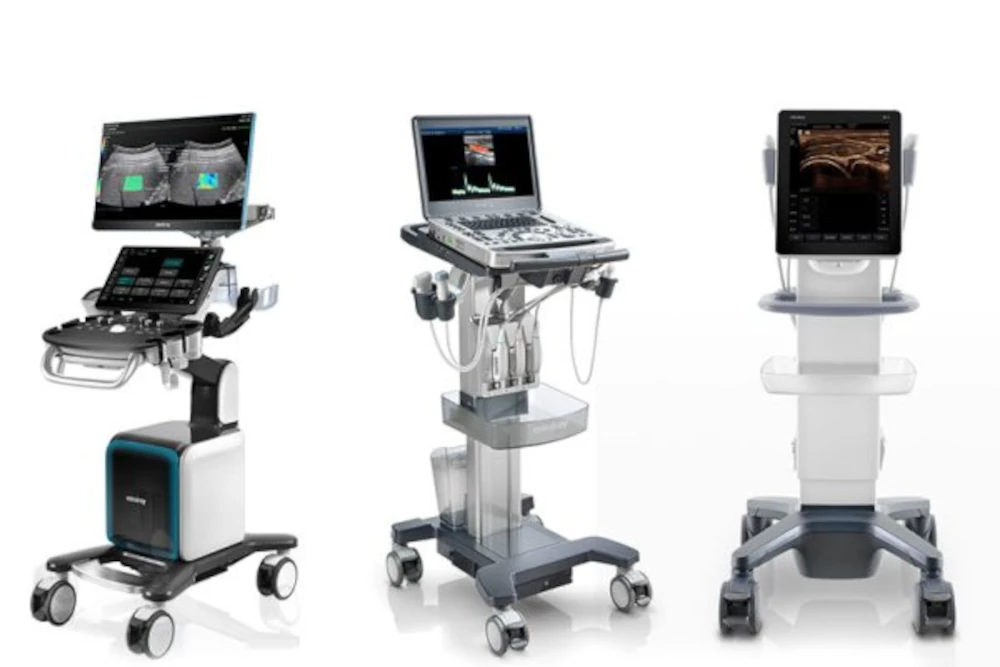
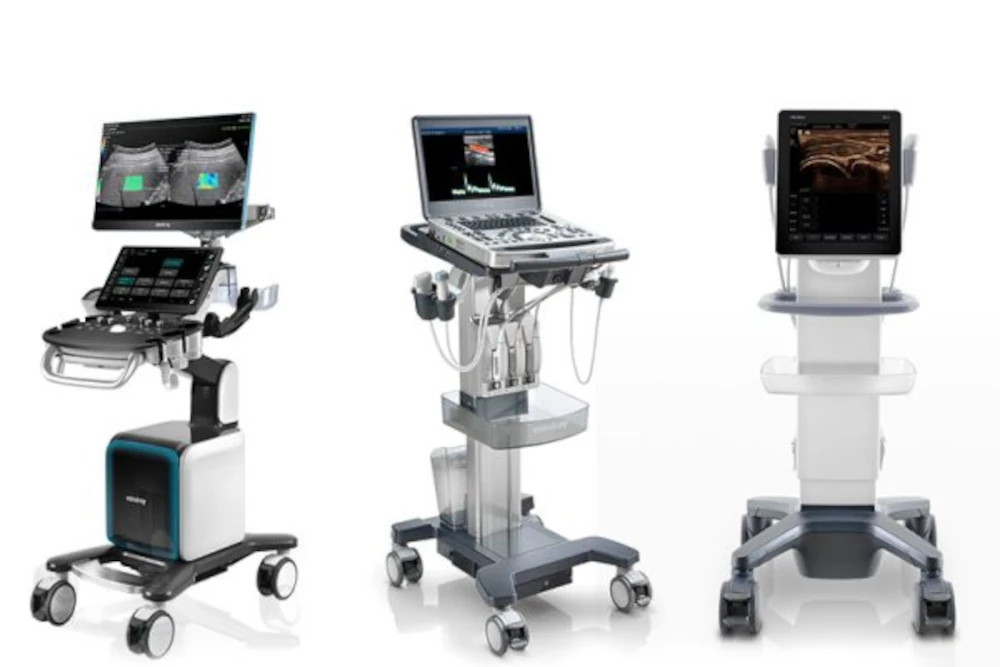
Another strength is the breadth of the lineup. Mindray covers everything from full console systems to portable laptops to true handheld devices.

That gives buyers more flexibility. A radiology department, a hospital ward, and a field-based clinician may all have very different needs, and Mindray has a system positioned for each of those environments.

Limitations

Mindray offers strong value, but it is not always the automatic choice for every specialty or every buyer. Some users may still prefer GE, Philips, or other long-established brands for certain advanced applications, especially where deep specialization or a familiar service ecosystem matters.

Also, while portable and handheld Mindray systems are convenient, they still come with the usual trade-offs in battery life, footprint, and image performance compared with larger premium consoles.

That is why it is important to look beyond the brand name and evaluate the actual imaging needs, workflow, probe options, and local support available to your facility, following a structured approach like this veterinarian’s guide to choosing the right ultrasound machine.

Conclusion

Mindray has become a major player in ultrasound by combining advanced beamforming, strong probe technology, useful workflow tools, and one of the more generous warranty offerings in the market.

Systems like the Resona 7 and DC-80 bring high-end imaging and automation to radiology and general imaging. Portable models like the M8 Elite and MX7 give users a strong mix of mobility and performance. Meanwhile, the TE7 and TE Air extend ultrasound into point-of-care and handheld use cases where speed and portability matter most.

For clinicians and facilities trying to balance image quality, portability, and long-term value, Mindray is a brand worth taking seriously.

Frequently Asked Questions (FAQ)

  • What makes ZST+ different from traditional beamforming?

ZST+ works by collecting larger zones of acoustic data rather than building the image line by line. That allows features like dynamic pixel focusing, sound speed compensation, and post-processing of saved raw data, which can improve image consistency and workflow.

  • Do Mindray systems really come with a five-year warranty?

Many of them do, especially in North America. The warranty commonly includes the main unit, standard transducers, software updates, and on-site labor for cart-based systems.

  • Are Mindray ultrasound machines a good value?

Many facilities think so. Mindray systems are often seen as offering strong imaging performance, advanced tools, and long warranty coverage at a price that is more competitive than some larger premium brands.

  • Which Mindray system is best for emergency medicine?

The TE7 and TE Air are the most obvious choices for emergency and point-of-care use. The TE7 is better suited to a dedicated clinical environment, while the TE Air is built for handheld mobility.

  • What should I consider when choosing a Mindray ultrasound machine?

Start with your clinical focus, portability needs, budget, and feature requirements. Premium systems are better for advanced imaging and high-volume use, portable systems offer a balance of mobility and performance, and handheld options are best when convenience and immediate access matter most.