loader
We're Here to Help Sales & Support: (866) 620-2831

Shopping Cart ( 0 )

Your Have 0 Item In Your Cart

close

No products in the cart.

Author: AUS

16March 2026

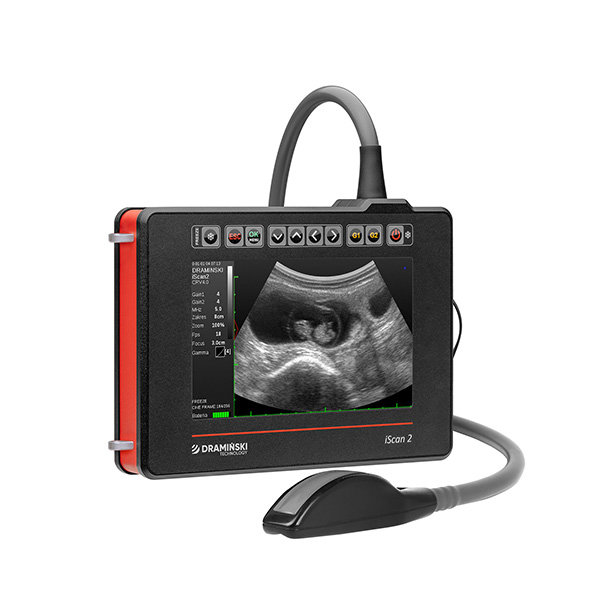
Investing in Veterinary Ultrasound

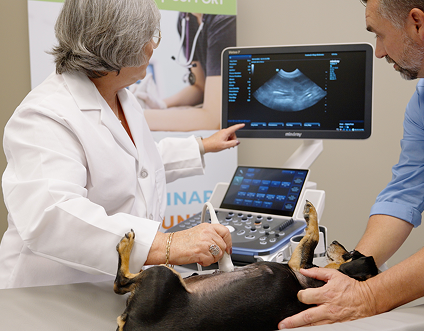
Primarily driven by a growing companion animal population, today’s veterinary ultrasound capabilities have led to more accurate diagnoses, earlier disease detection, and a greater understanding of the health and well-being of animals. In fact, ultrasound has revolutionized veterinary medicine in the way health issues and surgical procedures are approached. Coupled with x-rays, ultrasound allows clinicians to detect issues that cannot be seen with a radiograph.

Considering new veterinary ultrasound equipment may seem daunting; however, ultrasound has recently become mainstream in the veterinary industry for a number of reasons. Most importantly, ultrasound offers a “real-time” look at internal organs and can detect a number of issues such as pregnancy, cardiac function, ingested foreign bodies, a tumor or mass including certain cancers, enlarged organs, and blood flow through arteries.

Ultrasound is a noninvasive procedure and can be performed without anesthetic. Ultrasound typically does not cause undue stress to pets; however, it allows clinicians to view internal organs with greater precision and assist with surgical procedures and biopsies. Other advantages include its availability and repeatability – many veterinarians perform ultrasounds daily.

Ease of Use

Although many newly licensed veterinarians have been trained and are ultrasound-ready coming out of veterinary college, seasoned veterinarians require some training before performing their first ultrasound exam. Be sure your applications training provides the following:

  • Certified sonographer with ample veterinary experience
  • Wet training (on live animal)
  • CE units
  • Assurance that you will be ultrasound-ready upon completion

Know Your Expectations

Ultimately, veterinarians consider investing in ultrasound to improve the quality of care they offer, increase their efficiency, and increase profitability. As a significant investment, there are several questions veterinarians must ask themselves before investing in ultrasound equipment.

  • Why are you investing in an ultrasound?
  • How often do you expect to use it?
  • Who will be using the ultrasound system and do they require training?
  • How will it positively impact your practice?
  • What do you expect to get out of it financially?
  • How much do you want to spend and why?
  • When do you want to have it paid off and make a profit?

Do Your Research

Now that you know your expectations, start sifting through models and brands, keeping in mind your expectations. It is essential to know an ultrasound machine’s capabilities, as well as future repair and other costs; however, it is just as critical to set a budget to allow a good ROI. This will make it easier for a distributor to find machines that fit within your budget ceiling.

Do the Math

Once you have an ultrasound system in mind, analyze the cost-profit to give you a bigger picture of how long it will be before making a profit on the machine. Keep in mind that a first-time purchase analysis is different from upgrading ultrasound equipment you already own.To analyze an ultrasound machine, it is advised that you pull all the sick cases from a typical month and determine how many of those cases could have benefitted from ultrasound. Additionally, you may want to pull routine and sick ultrasound-guided cystocentesis to know how many you would have done. This analysis will give you an idea of frequency.You can also poll clinics to see what they are charging for an ultrasound to help determine what you will charge. Multiplying these figures by the number of monthly cases will give you a rough estimate of how much you will make in a month. To take your analysis a step further, you will want to factor in the costs of image interpretation, monthly payment, and interest costs, ongoing repairs and support, staff costs, etc.

Why Choose Advanced Ultrasound Systems for Veterinary Ultrasound?

Because it can offer an immediate revenue boost, ultrasound equipment is a wise investment for veterinarians. At AUS, our professional and knowledgeable team is ready to help you find the best fit while facilitating your veterinary clinic’s transition to state-of-the-art veterinary ultrasound equipment. Whether new or used, ultrasound plays an integral role in veterinary medicine. With complimentary technical support before and after every sale, our sales team is ready to keep you happy and up and running with minimal downtime. To learn more about which ultrasound system is best suited for your facility, message us directly or call today to get started.
16March 2026

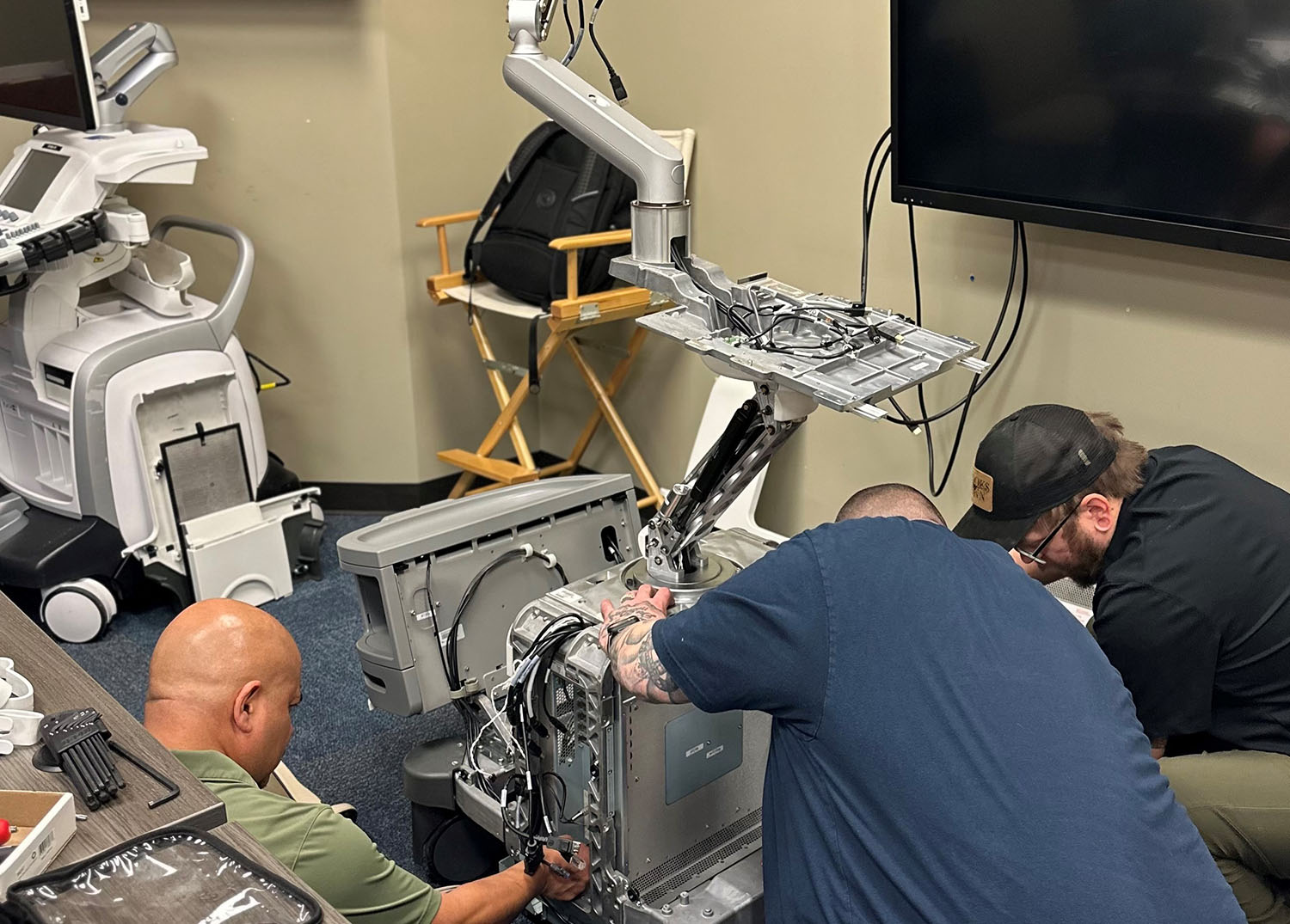
Troubleshooting a malfunctioning ultrasound system

Troubleshooting a malfunctioning ultrasound system can be a daunting task but it doesn’t have to be.  By breaking the system down into sub-systems, it is easier to locate the source of the problem. 

Breaking the System into Sub-systems

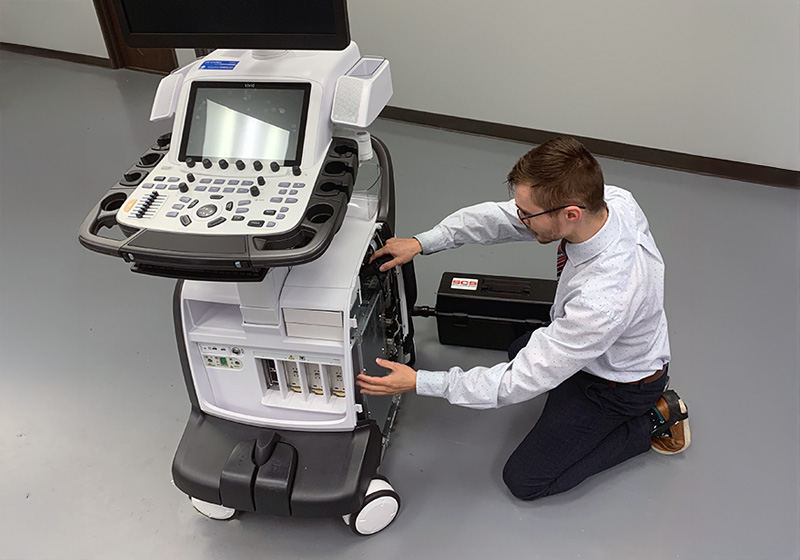
There are three major sub-systems in an ultrasound.  The “backend”, the “frontend” and “power”.  If you understand the function of each it simplifies the troubleshooting process.  The “backend” is essentially a computer loaded with an operating system and applications software.  It is responsible for all of the processing, storage and video management of the system.  It consists of the PC, user interface and monitor.  The “frontend” is where all the ultrasound data is acquired.  It consists of circuit boards that perform the transmit, receive, beamforming and probe interface functions of the system.  Lastly, the “power” sub-system provides the high voltage needed to drive the crystals in the probe and the low voltage required for the logic circuits throughout the system.  If you analyze the problem and carefully listen to the user there is a good chance you can isolate the problem to a single sub-system.  For example, the system won’t fully boot.  Check your power supplies to see if they have LEDs indicating a missing voltage.  If you have an artifact in your image area, is it horizontal or vertical.  Vertical artifacts in the image area are indicative of a “frontend” problem whereas a horizontal artifact if likely caused by the “backend”.  These are just a few tips that can help you simplify the troubleshooting process.  As always, if you get stuck on a difficult problem don’t hesitate to reach out to our tech support specialists for assistance.

16March 2026

A Beginner’s Guide to Incorporating Ultrasound in Your Veterinary Practice

The use of sonography has become increasingly more common with animal patients. Unlike x-ray images, ultrasound technology can produce clear images to help pinpoint pain sources or another ailment concerning the health and wellness of the body. This non-invasive and pain-free imaging method has no side effects for patients and helps provide a proper diagnosis and develop a treatment plan.

Ultrasound Use Within Veterinary Practices

The power of ultrasound within veterinary medicine can help doctors clearly understand what may be impossible to observe through other tools, such as x-rays. Fluid buildup, internal growths, and other illnesses can be easily detected when using an ultrasound modality within veterinary clinics and hospitals. This also saves time and money for the pet and their families and gives a reliable prognosis.

As veterinarians grow and develop within their medical practices, including purchasing ultrasound equipment, it is crucial first to determine how this technology will improve current practices and how personnel will be trained to appropriately apply such technological advances, including scheduling and charging patients for the provided service. The performance of ultrasound also includes detecting stones or masses that may be missed throughout emergency animal evaluations and treatments. Personnel must become confident in performing basic ultrasound scanning to help prevent possible misdiagnosis of patients.

Why Use Ultrasound in Veterinary Practices?

Ultrasound technology has evolved through medical examinations, giving a multi-purpose capability to help provide rapid and safe results. This technology will also provide the veterinary clinics and hospitals credibility by giving patients and their families a safe and reasonably inexpensive way of evaluating medical concerns. Such services may be provided for procedures involving fluid extraction, biopsies, fluid checks, single organ, or other musculoskeletal structure scans.

This diagnostic scanning can give doctors the information needed to treat patients noninvasively effectively. This service can significantly benefit your veterinary practice as required – based on clientele and realistic incorporation within diagnostic and treatment processes. Veterinarians must understand what is needed within their practice and how to offer complete diagnostic equipment as needed. By developing a timeline of implementation within a veterinary practice, there are also benefits and trends of financial revenue that will increase throughout the plan of ultrasound practice.

Expanding Internal Competencies with Ultrasound Training

Becoming skilled within veterinary ultrasound technology takes time and effort from the technicians and other personnel who acquire such training. There are beginner, intermediate, advanced, and even refresher courses available throughout training academies or other programs available for ultrasound practice; however, these are facets that Advanced Ultrasound Systems can handle after the purchase of a qualifying veterinary ultrasound system.

Advanced Veterinary Ultrasound offers entry-level courses where each participant gains basic knowledge of image quality, how to improve images, plus terms, principles, and business application for exams.

Once ultrasound training is completed, providers must continue to practice their skills across various organ scans and other areas regarding real-life diagnosis within the practice setting. A supportive learning environment where you have a lead example from doctors or trained technicians should also oversee and help guide new learners as they transition from training back to the clinic or hospital.

As doctors decide to purchase this equipment for their practices, it is vital to understand purchasing power and how it will translate into how well the ultrasound machine functions. Price ranges can be from $5,000-$250,000 depending on the need and quality of ultrasound for different patient needs within rural or urban locations and their surrounding communities.

Why Choose Advanced Ultrasound Systems for Veterinary Ultrasound?

Because it can offer an immediate revenue boost, ultrasound equipment is a wise investment for veterinarians. At AUS, our professional and knowledgeable team is ready to help you find the best fit while facilitating your veterinary clinic’s transition to state-of-the-art veterinary ultrasound equipment. Whether new or used, ultrasound plays an integral role in veterinary medicine. With complimentary technical support before and after every sale, our sales team is ready to keep you happy and up and running with minimal downtime. To learn more about which ultrasound system is best suited for your facility, message us directly or call today to get started.

16March 2026

How Equipment Service Training Can Advance Your Career

The average American spends 90,000 hours at work in their lifetime, proving just how important it is to choose a career with purpose and passion in mind. Stagnancy in the workplace can lead to boredom and frustration, whereas creating a long-term career plan will motivate, provide new fulfillment areas, and advance your career.

There are multiple benefits to advancing your career. The most obvious is increased income; however, the most positive impact goes beyond money: new opportunities arise with an upward career trajectory.

Advancement in one’s career can manifest in several ways, from a job promotion to specialty training. Career growth generally signifies professional development. Many working adults advance their careers by gaining new knowledge and skills to apply on the job. Committing the time and energy to gain new knowledge and skills shows employers that you are willing to invest in your career and the company.

AUS System Service Training

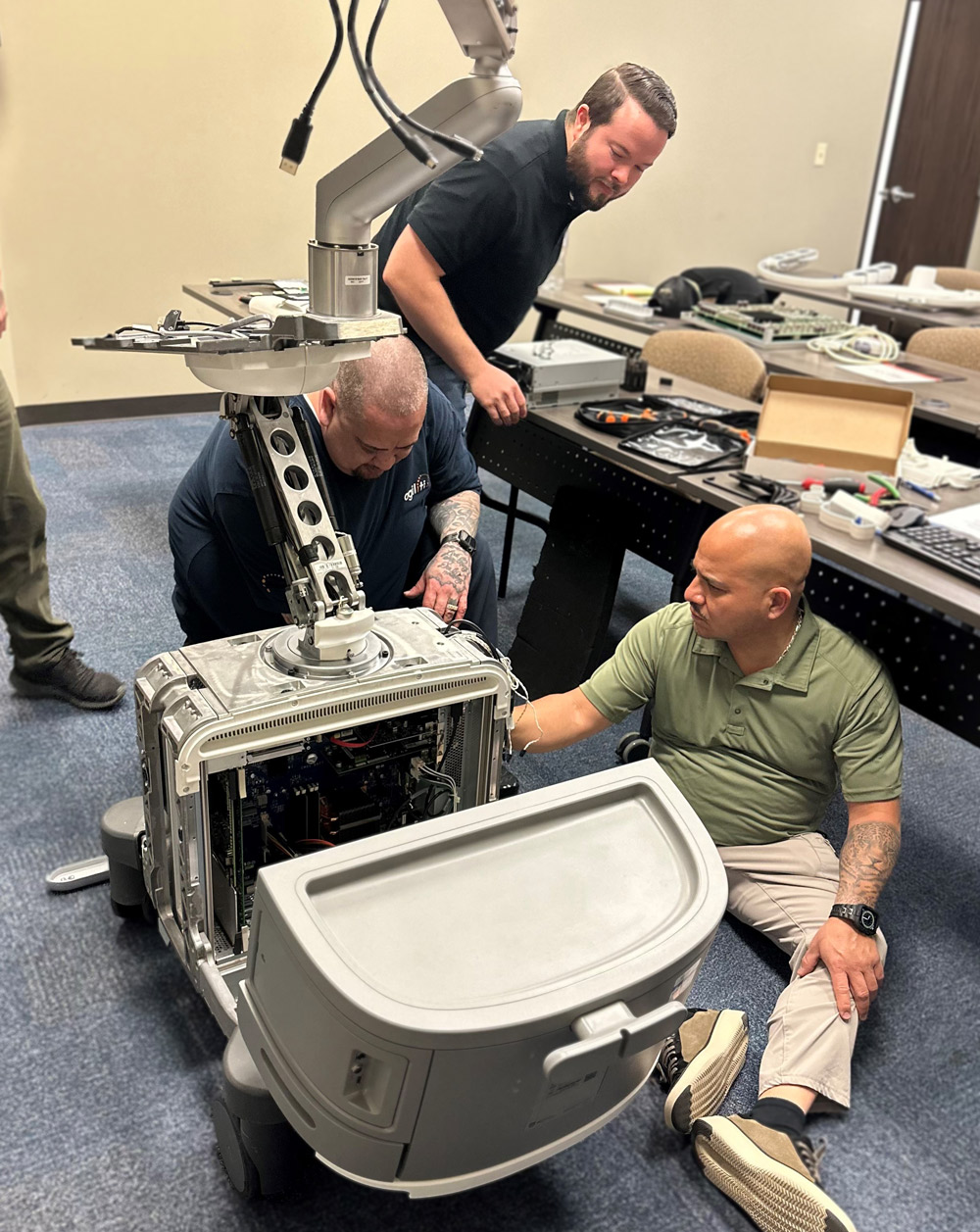
The practical, hands-on System Service Training program at AUS is optimal for HTM professionals, field service engineers, and clinical/imaging engineers. Through the program, students learn many skills, including servicing and maintaining ultrasound equipment with confidence. Studying the key issues sonographers and technologists face, students streamline their troubleshooting, diagnosing, and repairing techniques.What’s more, students of AUS’ System Service Training program receive access to knowledge amassed through years of multi-vendor field service experience, continued access to ultrasound expertise, access to quality parts and technical support, and priority service on parts requests.

Students learn clinical/imaging engineer methodologies through hands-on sessions and troubleshooting exercises and graduate from the program with a completion certificate with hours for CEU’s, eight hours per day, and downloadable electronic support materials.

At AUS, we stand behind what we teach. For us, this means students graduate knowing how to service systems and complete performance testing to ensure maximum up-time and clinical efficacy. Additionally, graduates receive extended telephone/video technical support.

With our program, you will have access to a wide range of common OEM systems, though we will also customize classes to fit your needs. Our instructors have extensive experience in diagnostic imaging and the teaching of professionals in servicing and supporting ultrasound equipment.

REGISTER FOR AN UPCOMING COURSE

Train Today with Advanced Ultrasound Systems

If your resume is getting dusty, consider expanding your skills with AUS’ System Service Training program. At Advanced Ultrasound Systems, we are equipped to not only train but empower you to maintain and service ultrasound with confidence. Our extensive experience in field service, quality assurance, and technical support makes AUS a leader in ultrasound sales, servicing, and training.

We know that training is an important aspect of professional growth. By expanding your education and training, you will learn more about your potential. If you are ready to take the time to better yourself and positively impact your career, the team at Advanced Ultrasound Systems is here to help. Call or Message us directly to get started.

16March 2026

When Images Won’t Send to the Server

A common reason for a tech support call is the sudden inability of a client’s system to save images.  Many of these callers are calling about equipment that has just been moved and changes were made to DICOM.  Although we can assist if this happens, here are some ways to avoid this happening in the future:

Talk to  IT

Talk to either the IT department or the network administrator and gather all the required information before changing the DICOM settings.  Be sure to gather:

  • the system’s TCP/IP address including gateway (if applicable), the system’s name and system’s AE title
  • the storage server’s TCP/IP address, port, AE title and directory all the files are stored to
  • the worklist TCP/IP address, port and AE title

Give the IT Department the MAC address of the system.

As always call our 24/7 Tech Support for more assistance at 866-620-2831.

16March 2026

The Ultimate Buyer’s Guide to Finding the Perfect Portable Ultrasound Repair Vendor

Portable ultrasound machines are indispensable tools for healthcare professionals but are prone to occasional malfunctions and breakdowns. When your portable ultrasound acts up, it is essential to have a reliable and efficient portable ultrasound repair vendor assess the unit and repair it. In this blog post, we will explore the key factors you should consider when choosing a repair vendor for your portable devices.

  1. Expertise and Certification: One of the most crucial aspects to evaluate is the vendor’s expertise and certifications. Look for vendors who are ISO 13485:2016 certified. This certification demonstrates their intent to comply with applicable regulatory and statutory requirements, ensuring their competence and adherence to industry standards.
  2. 5-Star Customer Service: Excellent customer support means every step of the repair process is treated with kid gloves–from the first call to receipt and assessment of the unit, to the quote, to the delivery of your fully-functional portable. Choose a vendor that values customer satisfaction and provides exceptional support throughout the repair process. They should be easily accessible, responsive to queries, and willing to go the extra mile to ensure your needs are met.
  3. Quality of Repairs: Ensure that the repair vendor you choose has a reputation for delivering high-quality repairs. They should use quality parts, follow standardized repair protocols, and employ skilled technicians who are knowledgeable about the intricacies of portable ultrasound devices.
  4. Equipment Capabilities: Look for a vendor who has a proven track record in repairing your ultrasound make and model.  At the very least contact them about your system to be sure they have the parts and expertise to repair it.
  5. Prompt and Reliable Service: In the fast-paced healthcare environment, downtime can have significant implications. Look for a vendor that provides quick response times, efficient repair processes, and reliable turnaround times, ensuring minimal disruption to your operations.
  6. Cost-Effectiveness: While quality and reliability are paramount, cost-effectiveness cannot be overlooked. Compare the pricing structures of different repair vendors, considering factors such as repair fees, parts costs, and warranties. Look for a vendor that offers competitive pricing without compromising on service quality.

By selecting the right portable ultrasound repair vendor you are not only minimizing downtime but also contributing to the overall success and reputation of your organization.  Considering factors such as expertise, customer support, repair quality, prompt service, and cost-effectiveness, ensure your decision is an informed one, ensuring your portable ultrasound devices are in the hands of trusted professionals.

16March 2026

Troubleshooting 101: A Step-by-Step Guide to Fixing Portable Ultrasound Image Quality

Portable ultrasound equipment is a critical diagnostic tool for a variety of medical disorders, from pregnancy to heart disease. There are several issues that might impact the visual quality and knowing how to efficiently diagnose the issue is crucial. Here are some suggested steps for troubleshooting portable ultrasound.

  1. The first step in troubleshooting any electrical item is to confirm that it has a reliable power source, as insufficient power might result in problems with image quality. Ensure the outlet is functional and that the ultrasound machine is properly plugged in. Ensure the batteries are fully charged if the device is powered by batteries.
  2. Examine the connections: There are a number of cables and connectors on ultrasound equipment, and they sometimes fall loose or get damaged. Make sure all the connections are safe by checking them all. Replace any damaged cables right away.
  3. Look over the settings: Different settings on ultrasound devices might impact the image quality. Make sure that the settings are appropriate for the kind of exam being administered.
  4. Inspect the transducer: The ultrasound transducer/probe is common source image quality. Poor image quality could indicate that the transducer is unclean or broken. Inspect cables for exposed wiring or the tip of the transducer for cracks. Send in the probe for repair or replace it if it is beyond repair.
  5. Consider using image optimization techniques to enhance the image quality if the methods mentioned above are unsuccessful. The image quality can be improved using methods including focus zone adjustment, gain adjustment, and dynamic range adjustment.
  6. Software upgrades: check to see whether the manufacturer has released any software updates that could enhance the image quality.
  7. Call technical support: If none of the aforementioned remedies are successful, you should speak with technical support. The manufacturer or an ISO such as AUS has a technical support group that can assist with problem diagnosis and repair.

Conclusion, troubleshooting portable ultrasound devices is essential for ensuring precise and trustworthy imaging. You may quickly and simply identify and resolve common image quality issues by putting the approaches outlined above to use. Always adhere to the manufacturer’s instructions, and ask for help when you need it from technical support. Your ultrasound machine will continue to deliver accurate and dependable images for many years to come if you maintain and care for it properly.

16March 2026

Finding the Perfect Fit: A Buyer’s Guide to Refurbished Cardiac Ultrasound

As a demanding medical specialty, cardiology is one of the most competitive categories for manufacturers of diagnostic ultrasound systems. In fact, the cardiovascular ultrasound system market worldwide is projected to grow by $620 million by 2025.

Becoming more prevalent, 4D cardiac is now trickling down from premium into high-end and including some midrange ultrasound machines. Additionally, the wide range of cardiac sector probes single crystal and Matrix Array allows for scanning of every patient type. In fact, even pediatric and neonatal cardiology has seen rapid growth in probes built for small patients, finding their way into all segments, even the economy category. As a result, newer cardiac ultrasound systems are more likely to be purchased, allowing users to no longer be tethered to the same unit for a decade as sometimes happens in systems, not as power-and feature-rich.

Because the motion of the beating heart needs to be accurately measured and visualized, cardiac ultrasound demands faster screen refreshes than any other application. In fact, post-exam image and video clip processing are more common in cardiac ultrasound machines than in others. And cardiac-focused ultrasound typically sacrifices resolution for frame rate. With more probe types than any other applications, cardiac ultrasounds offer the adult sector probe, 4D sector, pediatric sector, neonatal sector, adult TEE, pediatric TEE, 4D TEE, and several Pedoff or non-imaging pencil probes. Because of this, cardiac ultrasound machines are predominantly more expensive than a GI/MSK or OB/Vascular unit within the same category.

Advanced Ultrasound Systems has worked to ensure customers have access to a wide range of new and used ultrasound systems from the top OEM brands. We focus on a variety of imaging types, including cardiac. No matter what you need to improve your practice or medical facility, our sales team is ready to help you find the best fit.

Our premium cardiac ultrasound recommendation: Philips iU22

As a premium, shared service ultrasound system, Philips iU22 provides the best possible image quality using xMATRIX transducers, combining the best characteristics of other 4D and single-crystal transducers. Introduced in 2004, the Philips iU22 has stood the test of time, remaining the gold standard in ultrasound for more than a decade.

Our high-end cardiac ultrasound recommendation: Philips EPIQ 5

This high-end ultrasound machine offers similar performance to theiU22but with a few top-of-the-line features missing in order to lower the price. Using the powerful nSight beamforming and a larger hard drive, Philips EPIQ 5 is a great replacement option for the extremely popular Philips iU22.

Our mid-range cardiac ultrasound recommendation: GEVivid S6

Balancing price with performance, mid-range cardiac ultrasound machines are ideal for medical professionals who need to do a large volume of basic exams with the option of a few high-end functions. The GE Vivid S6 replaces the older but very popular GE Vivid 7. Though much smaller and lighter, the S6 retains most of the features and image quality of the Vivid 7.

Our economy cardiac ultrasound recommendation: GE Vivid S5

Intended for only basic cardiac scans at the lowest price possible, the GE Vivid S5 uses the same probes as the Vivid S6 and, therefore, offers a larger variety of probes than any other cardiac ultrasound machine in this category. Unlike the S6, theS5 lacks the single-crystal M4S-RS probe, automated ejection-fraction calculations, AFI, CTO, the 17” monitor, and the 10-minute back-up power battery; however, it retains the excellent 6Tc-RS transesophageal probe, a unique option in the economy cardiac ultrasound category.

At AUS, our professional and knowledgeable team is ready to help you find the best fit while facilitating your organization’s transition to state-of-the-art cardiac ultrasound equipment. With complimentary technical support before and after every sale, our sales team is ready to keep you happy and up and running with minimal downtime. To learn more about which cardiac ultrasound system is best suited for your facility, message us directly or call at (866) 620-2831

16March 2026

The History of Ultrasound

As the medical community’s needs continue to evolve, the technology used in medical ultrasound continues to make important improvements in patient outcomes, medical diagnosis, and treatment options. With an impressive history that begins with a study of bats, there is no denying the breakthroughs that ultrasound systems have given to the medical community over the past two centuries. This article will explore the history of ultrasound and note some of the significant milestones that made this technology what it is today. 

The Origins of Ultrasound 

Ultrasound science and technologies have had a long history – dating as far back as the discovery of echolocation among bats in 1794 by physiologist Lazzaro Spallanzani. Many of these same principles still govern how medical ultrasound continues to function in modern times. Spallanzani brought owls into a lab setting and found that they would not fly without a source of light; however, bats would freely fly around the room, carefully avoiding wires that had been hung from the ceiling. 

Even when the bats were permanently blinded, they could still avoid the wires hanging in the room. Spallanzani noted this because bells had been attached to the ends of the wires to alert the researcher if a wire had been hit. Although, placing a brass tube inside their ears would result in improper navigation. From this study, the physiologist determined that the bats were using their ears to navigate around their environment. This was achieved through a biological sonar we now know as echolocation. 

Medical Developments for Ultrasound 

As others began to build on the work piloted by Spallanzani, it wasn’t until 1942 that neurologist Karl Dussik was credited with the first medical use of ultrasonic waves for diagnostic purposes. Dussik transmitted an ultrasound beam through a human skull to try and detect brain tumors to achieve this. Although this technology was still in its infancy for medical applications, the noninvasive diagnostic capabilities showed the tremendous possibility for the future of ultrasound for medical imaging. 

Since Dussik’s breakthrough, ultrasound technology and its many healthcare applications have continued to evolve. New ultrasound diagnostic tools and medical procedure refinements continue to happen daily. In recent years, the development of portable, small ultrasound systems has become more widespread. This technology has helped further integrate ultrasound into more modalities and care areas that were not possible with bulky systems. 

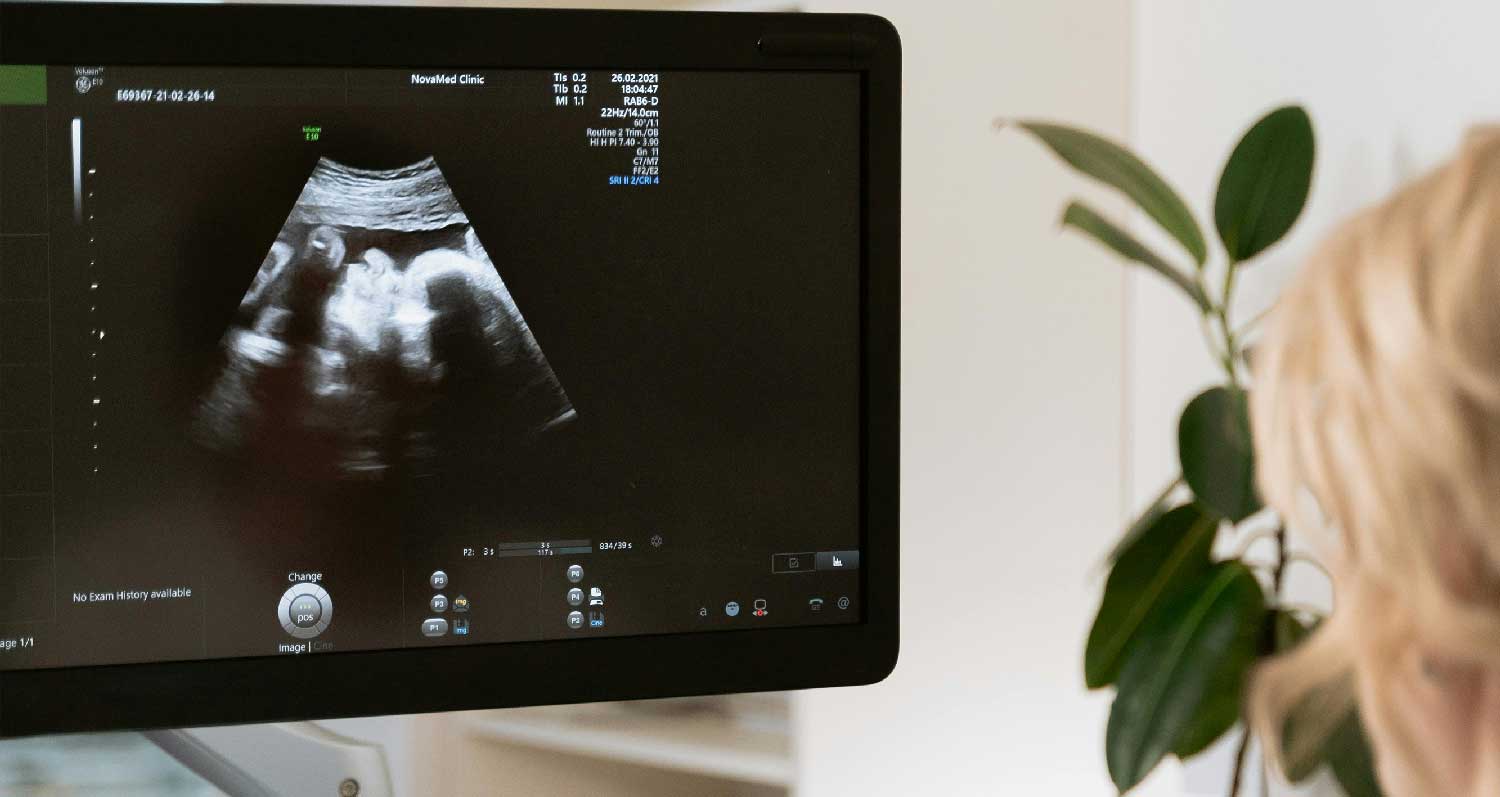
In modern times, ultrasound systems are perhaps most well known for their use in obstetrics and gynecology, particularly using ultrasound to produce a fetal sonogram. While the first ultrasound image of a fetal head occurred around 1958, advancements and techniques progressed to what we now know as standard technologies around the 1970s.  

Why Choose Advanced Ultrasound Systems?

If you need new ultrasound systems or repairs on your existing equipment, the Advanced Ultrasound Systems team is here to help. We have invested heavily in our facility and have one of the most extensive new and refurbished parts, probes, and systems inventory in the business. For more information, please call us at (866) 620-2831.

16March 2026

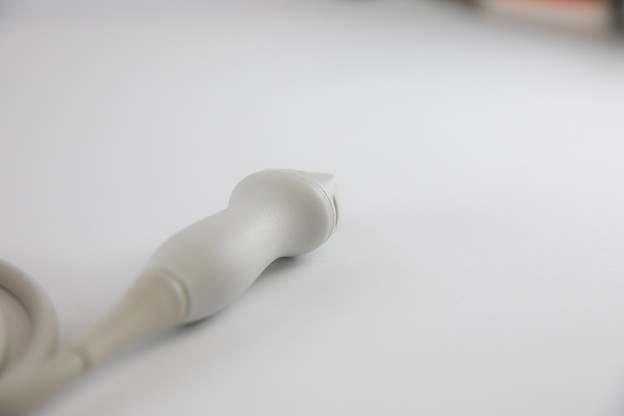
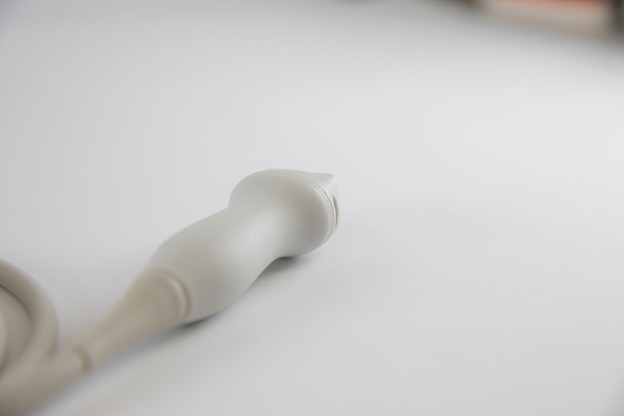
How Much Does an Ultrasound Probe Cost?

Summary

Ultrasound probes can cost anywhere from a few hundred dollars on the secondary market to well over five figures for advanced specialty models. Current marketplace guidance commonly puts new probes around US$1,000 to US$15,000, while used or refurbished probes often fall around US$500 to US$7,500, with premium 3D, 4D, intracavitary, and specialty probes going higher.

The final price depends less on the word “probe” and more on what kind of probe it is, what system it fits, what features it includes, and whether it is new, used, or professionally refurbished. The safest way to judge value is to compare price against compatibility, warranty, and test documentation, not sticker price alone.

Introduction

An ultrasound probe, also called a transducer, is the part of the system that sends and receives sound waves to create the image, and understanding what an ultrasound probe is helps explain why it is one of the most critical and expensive components of an ultrasound system. It is also one of the most failure-prone and expensive parts of the ultrasound setup, which is why probe replacement becomes a real budgeting issue for clinics, hospitals, and service teams, especially when considering other ultrasound machine parts that can also require repair or replacement over time.

If you are pricing a probe, the real question is not just “How much does it cost?” It is “How much does the right probe for my system and workload cost?” A basic used convex probe and a high-end matrix or endocavitary probe live in very different price brackets, even before you factor in brand, warranty, or condition.

What Usually Drives Probe Cost?

Probe type

Probe design is one of the biggest price drivers, and understanding differences such as linear vs convex ultrasound probes helps explain why certain probe types cost more than others. Linear probes for vascular or musculoskeletal work are usually less expensive than advanced phased-array, endocavitary, or matrix probes because the more specialized the imaging task, the more complex the hardware tends to be. Marketplace guidance commonly places linear probes around US$3,000 to US$6,000, convex probes around US$4,000 to US$8,000, phased-array probes around US$5,000 to US$10,000, and endocavitary probes around US$6,000 to US$12,000, with some 3D and 4D probes going beyond US$10,000 to US$20,000.

Features and complexity

Higher frequencies, Doppler capability, harmonic imaging support, needle-guide compatibility, and 3D or 4D imaging all tend to push prices up. That is because these features add complexity to the transducer design and often require tighter manufacturing tolerances and more sophisticated electronics.

Brand and compatibility

Probe pricing is also shaped by compatibility. Ultrasound probes are not universally interchangeable. They are tied to specific OEM platforms, connectors, firmware expectations, and calibration behavior, so the same class of probe may cost much more if it fits a premium GE, Philips, Siemens, Canon, or Mindray platform. In practice, proprietary compatibility is part of what keeps prices elevated.

Condition: new, used, or refurbished

Condition changes the price dramatically. New probes command the highest price because they come with full manufacturer support and the longest expected service life. Used probes are cheaper, but the tradeoff is higher uncertainty. Refurbished probes usually sit in the middle because they are inspected, repaired if needed, and resold with at least some warranty coverage, often through specialized ultrasound probe repair providers that test electrical and acoustic performance before resale.

Typical Price Ranges

For most buyers, these are the most useful working ranges:

New probes: roughly US$1,000 to US$15,000 for many standard models, with advanced specialty probes going higher.

Used or refurbished probes: roughly US$500 to US$7,500 for many common models, though popular premium probes can exceed that range.

Advanced 3D or 4D probes: often US$10,000+, especially for premium OB/GYN and specialty applications.

These are best treated as market ranges, not fixed rules. Exact asking prices move with availability, system age, vendor reputation, and whether the probe includes certification, testing records, or a warranty.

New vs Used vs Refurbished

New probes

Buying new is the cleanest option. You get the highest confidence in compatibility, access to OEM support, and the best chance of long service life. The downside is cost. For many facilities, especially those running older systems, new probes can be hard to justify unless the probe is mission-critical.

Used probes

Used probes are usually the cheapest way to get a system back online or add a backup transducer, especially in clinics already using used portable ultrasound machines where cost-effective replacement components are often part of long-term equipment management. They can make sense, especially for older scanners, but only if the seller can provide meaningful proof that the probe is functional. A low price without testing is not a bargain. It is a risk.

Refurbished probes

Refurbished probes are often the best balance between price and confidence. A solid refurbisher should inspect the housing and cable, check element performance, verify electrical safety, and provide at least limited warranty coverage. In practice, that extra work is often worth paying for because it reduces the chance of buying a probe that fails soon after installation.

What Makes a Probe “Worth It”?

The best-value probe is not always the cheapest one. It is the one that fits your system correctly, performs reliably, and comes with enough documentation that you are not guessing about its condition. Ultrasound QA guidance emphasizes inspection of the probe housing, cable, scan surface, and checks for element dropout or other performance defects, which is exactly why testing records matter so much when buying pre-owned probes.

Research on repaired and refurbished probes has also shown that non-OEM repairs can affect function, which is why buyers should not rely on visual condition alone. If a seller cannot explain what was tested, how it was tested, and what warranty backs the sale, that should lower your confidence immediately.

How to Get the Best Value

Start with your actual clinical needs. A clinic doing mostly abdominal and general imaging usually does not need the same probe budget as a center buying advanced cardiac or 4D OB/GYN transducers. Paying for features you rarely use is one of the easiest ways to overspend.

Then check compatibility carefully. Make sure the probe matches not only the brand, but the exact system family and, where relevant, the software environment. Pre-owned equipment guidance now puts strong emphasis on asking sellers for detailed history and condition information before purchase.

Finally, ask for evidence. Good sellers should be able to provide inspection details, performance checks, and warranty terms. For used or refurbished probes, acceptance testing and routine QA principles matter because probe defects are common enough that imaging performance should never be assumed.

Conclusion

A realistic answer to “How much does an ultrasound probe cost?” is this: most standard probes land somewhere between about US$500 and US$15,000 depending on condition and type, while advanced specialty probes can run well above that. New probes generally cost more, refurbished probes often offer the best middle ground, and used probes are the cheapest but riskiest option.

If you want the best value, focus on fit, testing, and warranty rather than headline price. A cheaper probe that fails early, images poorly, or does not match your system is rarely a bargain in the long run.

Frequently Asked Questions

  1. How much does a typical ultrasound probe cost?

A common working range is US$1,000 to US$15,000 for new probes and US$500 to US$7,500 for used or refurbished probes, with advanced specialty probes sometimes exceeding those numbers.

  1. Why are some probes much more expensive than others?

Price usually rises with complexity. Endocavitary, phased-array, and 3D or 4D probes cost more because they involve more specialized design, electronics, and compatibility constraints.

  1. Is it safe to buy a used ultrasound probe?

It can be, but only when the seller provides meaningful testing and documentation. QA guidance and published research both show that visual condition alone is not enough to judge probe quality.

  1. How do I know whether a refurbished probe is a good deal?

Check three things: exact compatibility, what testing was performed, and what warranty is included. A refurbished probe with documentation and warranty is often a better value than a cheaper used probe sold as-is.

  1. What affects how long a probe lasts?

Lifespan depends on build quality, usage volume, cable handling, cleaning and disinfection practices, and whether small defects are caught early through QA. Regular inspection is part of protecting that investment.